




















Removing limescale spots from car windows without scratching the glass
Daniel von Detailing1 |


Koch-Chemie
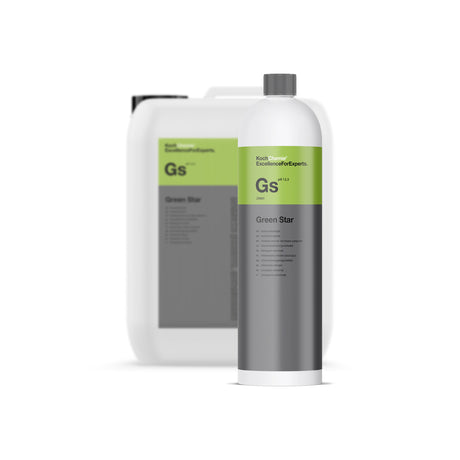
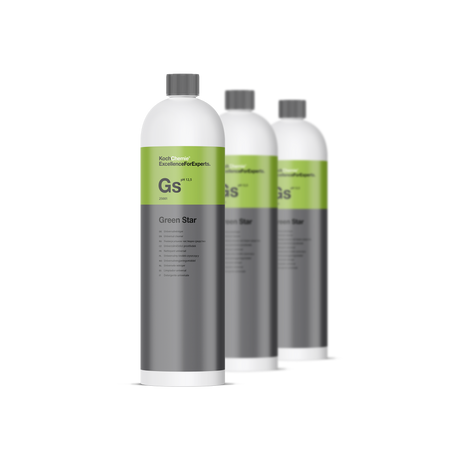
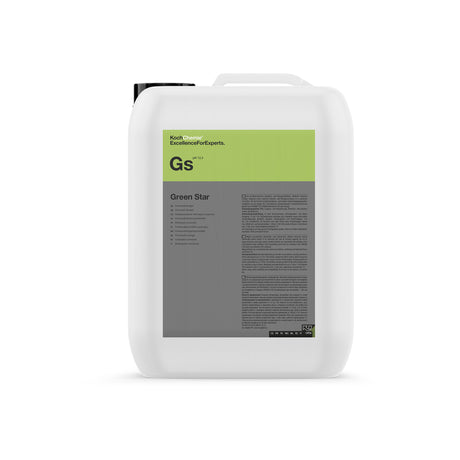
Green Star "Gs" Universal Cleaner
Highly alkaline APC concentrate for workshops, engine bays and lifts
Koch-Chemie
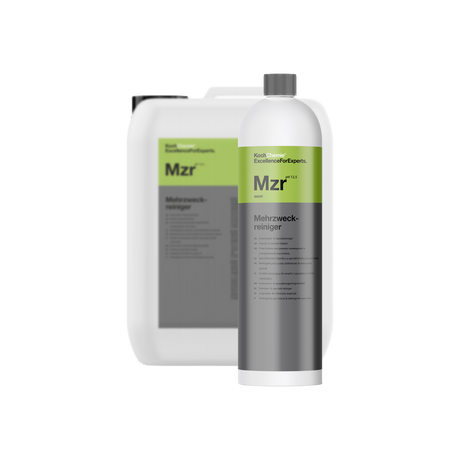
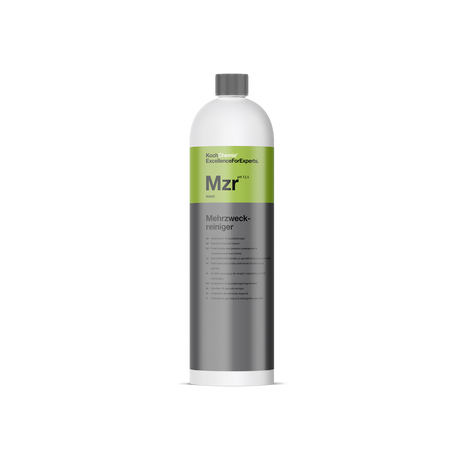
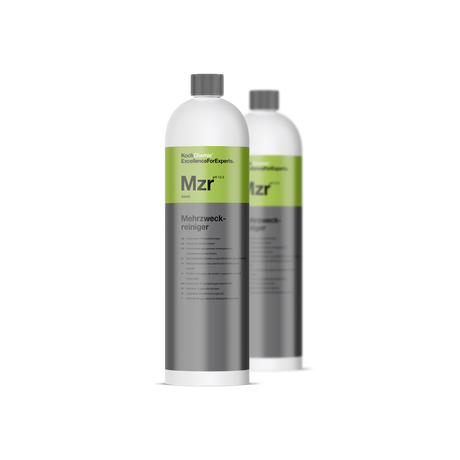
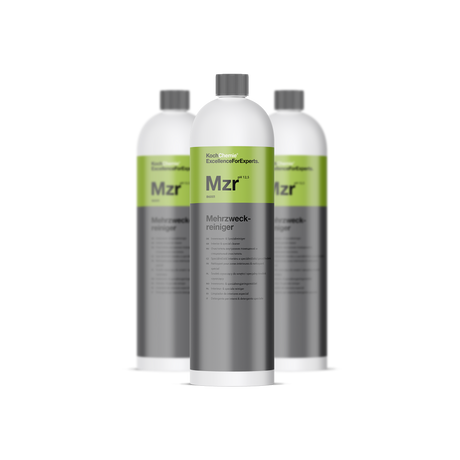
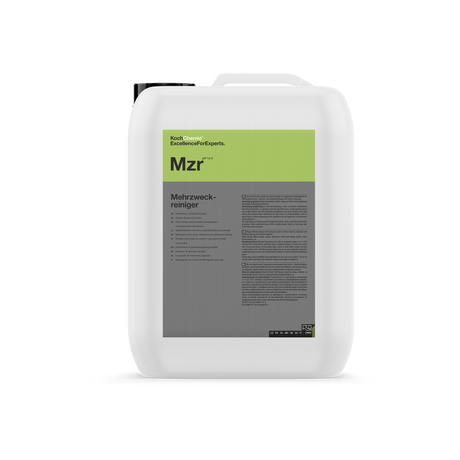
Multi-Purpose Cleaner "Mzr" All-Purpose Cleaner
Alkaline cleaner concentrate with pH 12.5 and Daimler approval
Koch-Chemie
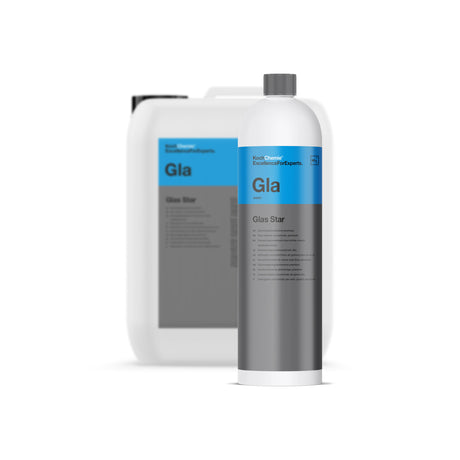
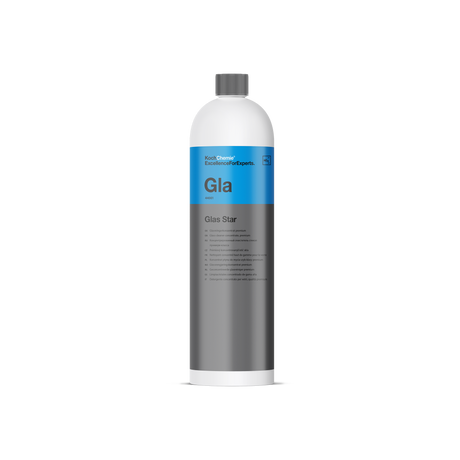
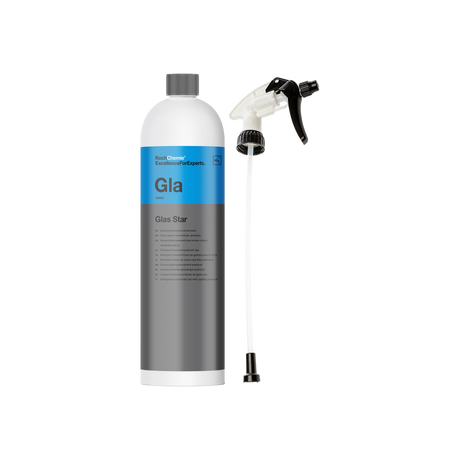
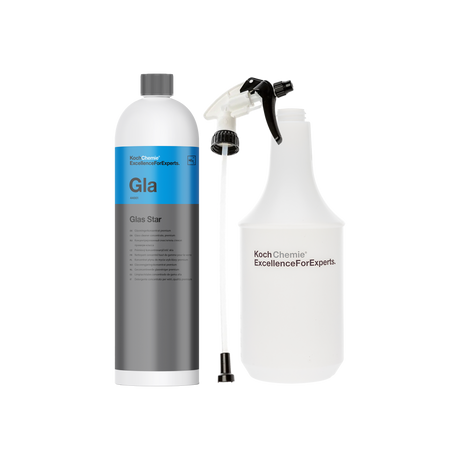
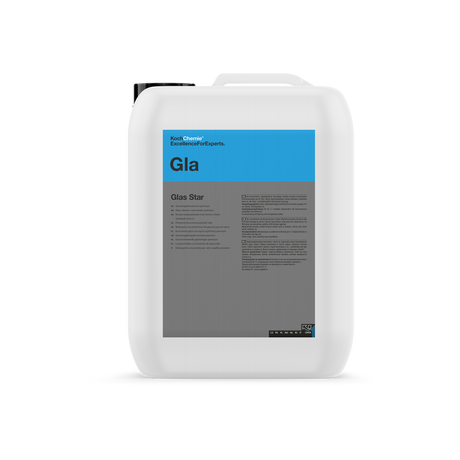
Glas Star "Gla" Glass Cleaner Concentrate
Concentrated alcohol-based glass cleaner with Daimler approval
Koch-Chemie
Reactive Rust Remover "Rrr" iron fallout remover
Maximum cleaning performance for flawless results without compromise
Koch-Chemie
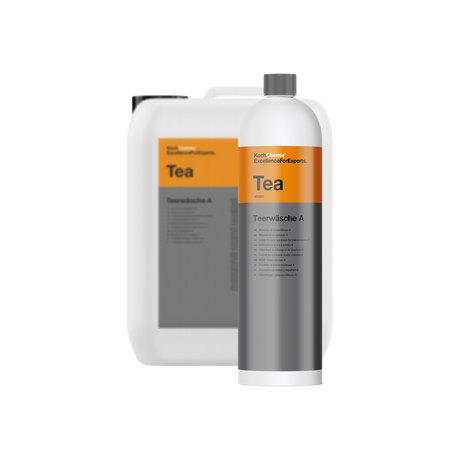
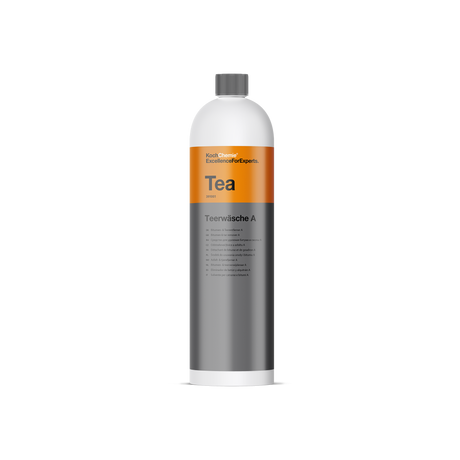
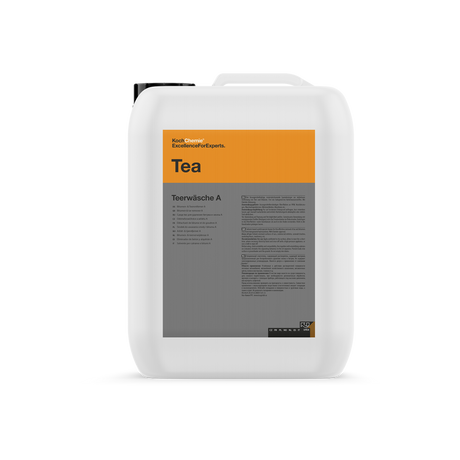
Teerwäsche A "Tea" Bitumen & Tar Remover
Perfect bitumen and tar removers for a flawless finish


Koch-Chemie
Magic Wheel Cleaner "Mwc" Wheel Cleaner
Acid-free wheel cleaner with color change for daily workshop use
Koch-Chemie
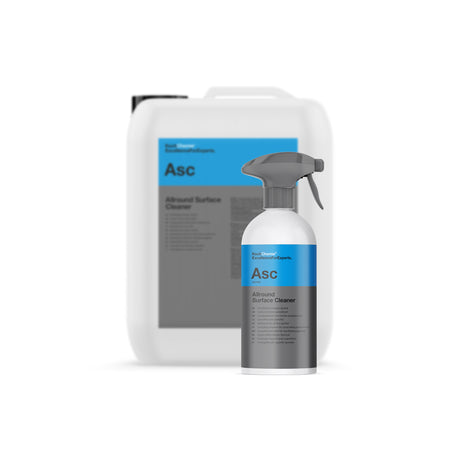
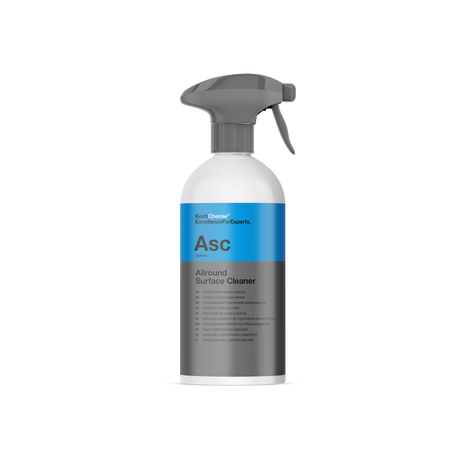
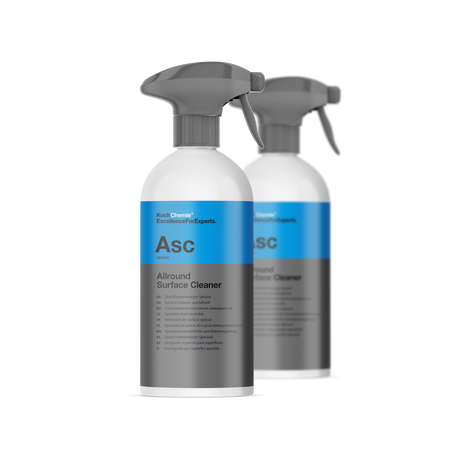
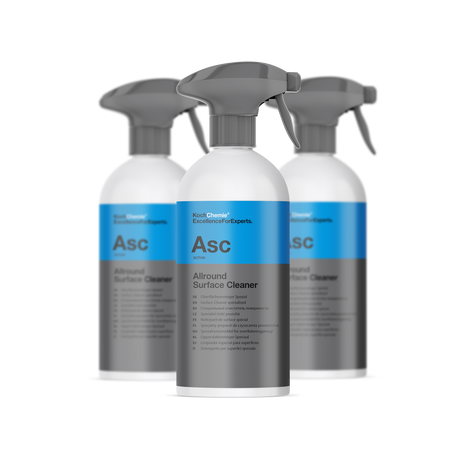
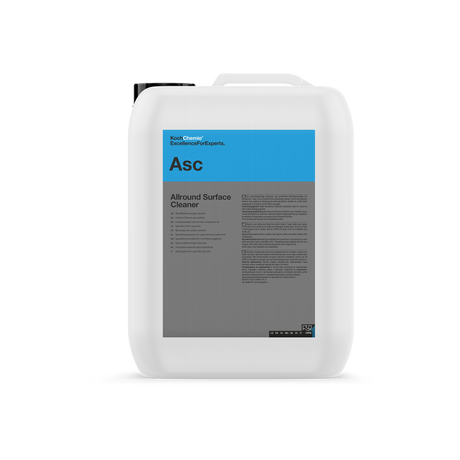
Allround Surface Cleaner "Asc" All-Purpose Cleaner
Ready-to-use pH-neutral all-purpose interior cleaner
Koch-Chemie
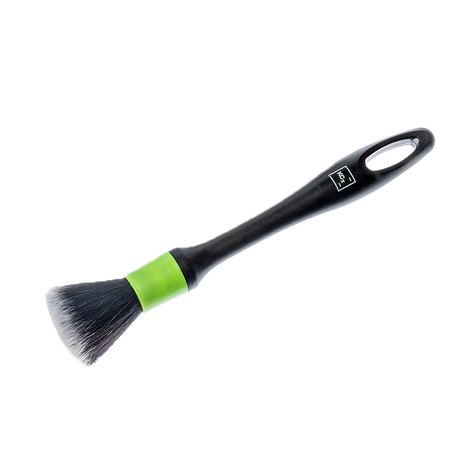
Interior Brush "Green" Interior Autodetailing Brush soft
Koch-Chemie × COLOURLOCK
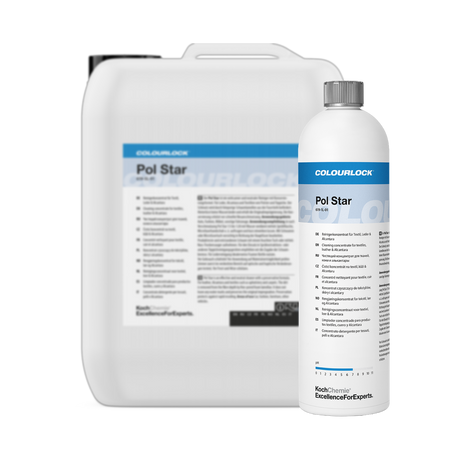
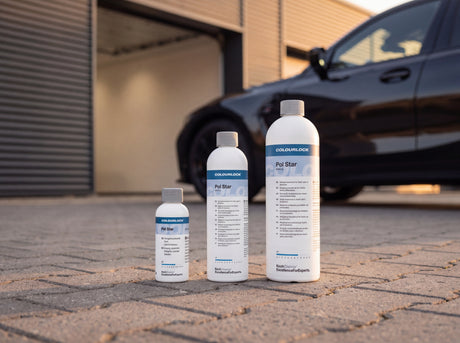
COLOURLOCK "Pol Star" cleaner concentrate for fabric, leather & Alcantara
pH-neutral cleaner concentrate for fabric, Alcantara & smooth leather
Koch-Chemie
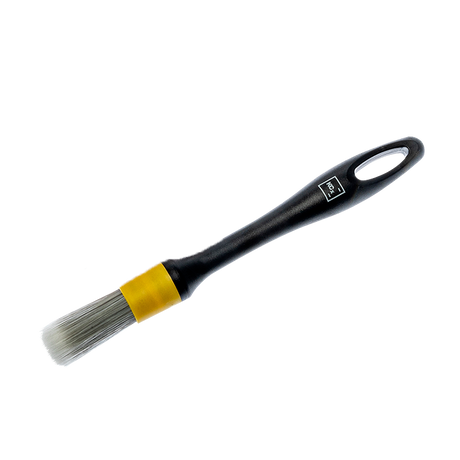
Interior Brush "Yellow" interior brush medium-hard
Koch-Chemie
Glass Cleaner "Gc" Glass Cleaner
Crystal clear, streak-free windows
Koch-Chemie
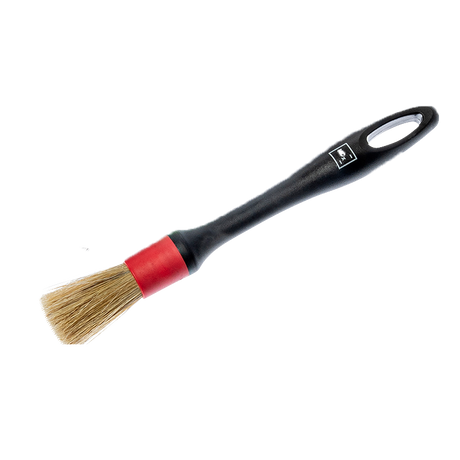
Interior Brush "Red" hard interior detailing brush
Koch-Chemie
Motorplast "Mp" Engine Preservation
Silicone-free engine preservative with Daimler factory standard
Koch-Chemie
Efficient Adhesive Remover for Paint and Glass
SONAX
Acid-free wheel cleaner with color change for all rim types
Koch-Chemie
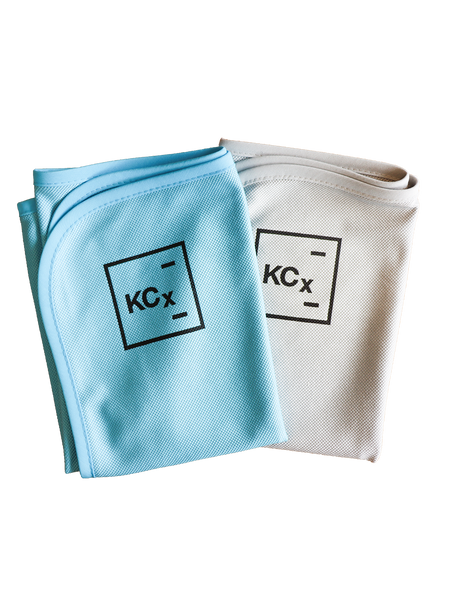
Pro Glass Towel 230GSM Microfibre Glass Cloth
Soft99
Professional detail brush for car exteriors in three sizes


Soft99
Ultimate detailing brushes for your car
Koch-Chemie
Orange Power "Op" Adhesive, Tree-Resin and Rubber Remover
Effective Adhesive and Resin Remover for Versatile Applications
Koch-Chemie
Felgenreiniger extrem "Fe" wheel cleaner
Hydrochloric acid pro wheel cleaner for baked-on brake dust
Koch-Chemie × COLOURLOCK
COLOURLOCK "Fresh Up" Odour Neutraliser with Fresh Scent
Fresh and effective odor neutralizer for interiors and leather

Koch-Chemie
Exterior Brush Set Auto Detailing Brush Set
TUGA Chemie
Alu-Teufel "Spezial"® (Green) Wheel Cleaner
pH-neutral wheel cleaner gel with active indicator for all rims


Koch-Chemie
Tinten- & Kuli-Ex "Tex" Ink and Ballpoint-Pen Remover
Effective ink and ballpoint pen remover for clean textiles
Interior pulls together all three material worlds in the car at Detailing1: plastic hard surfaces, fabric seats and carpets, and leather. Each group has its own chemistry — from an all-purpose cleaner for the dash and fabric cleaners to leather care that feeds the hide back. Brands on the shelf include SONAX, Koch-Chemie, COLOURLOCK, Meguiar's, Dr. Wack and GYEON.
Koch-Chemie
Interior Brush "Green" Interior Autodetailing Brush soft
Koch-Chemie × COLOURLOCK
COLOURLOCK "Pol Star" cleaner concentrate for fabric, leather & Alcantara
pH-neutral cleaner concentrate for fabric, Alcantara & smooth leather
Koch-Chemie
Interior Brush "Yellow" interior brush medium-hard
Koch-Chemie
Interior Brush "Red" hard interior detailing brush
Koch-Chemie × COLOURLOCK
COLOURLOCK "Fresh Up" Odour Neutraliser with Fresh Scent
Fresh and effective odor neutralizer for interiors and leather
Koch-Chemie
Tinten- & Kuli-Ex "Tex" Ink and Ballpoint-Pen Remover
Effective ink and ballpoint pen remover for clean textiles


Koch-Chemie × THE FINISHER
THE FINISHER "DisplayExpert" Screen Cleaner
Special cleaner for optimal display cleaning


Koch-Chemie × THE FINISHER
THE FINISHER "InsideUp" Interior Cleaner
Gentle interior cleaner for hard plastics
Koch-Chemie × COLOURLOCK
COLOURLOCK "Leather Cleaner" (Mild) — cleaner for normally soiled pigmented smooth leather
Gentle daily leather cleaning and care

Koch-Chemie × COLOURLOCK
COLOURLOCK "Leather Cleaner" (Strong) cleaner for heavily soiled, surface-pigmented smooth leather
Powerful intensive cleaning for heavily soiled leather


SONAX
PROFILINE LeatherCleaner (foam cleaner)
LeatherCleaner — Professional Leather Cleaner (Foam Cleaner)
Felgen- und Reifenreinigung bereitet die unterschiedlichen Oberflächen eines Rads auf die weitere Pflege vor. Felgenreiniger bearbeiten Bremsstaub und Straßenfilm, Reifenreiniger lösen Schmutz und alte Dressingreste an der Flanke. Felgenfinish und Materialfreigabe bestimmen die Chemie; Bürsten werden nach der jeweiligen Arbeitsfläche getrennt.
Koch-Chemie
Reactive Rust Remover "Rrr" iron fallout remover
Maximum cleaning performance for flawless results without compromise
Koch-Chemie
Magic Wheel Cleaner "Mwc" Wheel Cleaner
Acid-free wheel cleaner with color change for daily workshop use
SONAX
Acid-free wheel cleaner with color change for all rim types
Koch-Chemie
Felgenreiniger extrem "Fe" wheel cleaner
Hydrochloric acid pro wheel cleaner for baked-on brake dust
TUGA Chemie
Alu-Teufel "Spezial"® (Green) Wheel Cleaner
pH-neutral wheel cleaner gel with active indicator for all rims


Koch-Chemie
"ReactiveWheelCleaner" Wheel Cleaner
Revolutionize rim care with this high-quality cleaner
Koch-Chemie
Alkali Wheel Cleaner "Awh" Wheel Cleaner (alkaline)
Highly alkaline wheel cleaner concentrate for daily pro use
TUGA Chemie
Aluminium-Teufel® (Red) Wheel Cleaner
Acidic wheel cleaner for extremely baked-on brake dust

THE COLLECTION
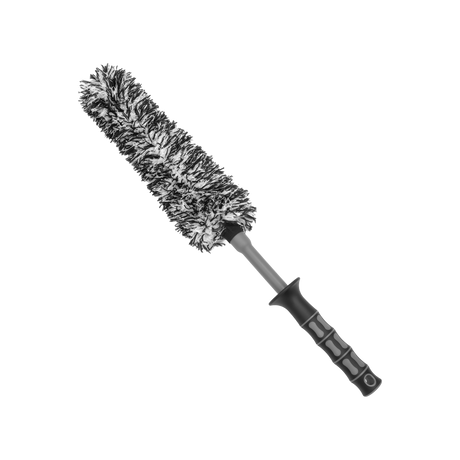
"Flex Brush" Microfibre Wheel Brush
Flexible Microfiber Wheel Brush for Safe Cleaning
Koch-Chemie
Felgenblitz säurefrei "Fb" wheel cleaner
Effective acid-free wheel cleaner with color change


SONAX
Wheel Cleaner PLUS — color-changing, for all wheel types, TPMS
Koch-Chemie
Triple Acid Star "Ta" Wheel Cleaner
Window and glass cleaning brings together three jobs on your car's glass: glass cleaners cut the greasy film inside and out, screenwash keeps the windscreen clear while you drive, and de-icers melt the ice on frosty mornings. On top of that comes glass polish, which takes off etched-in water spots and old coatings before a sealant goes on. Tint film and polycarbonate headlights help decide which cleaner can go on which surface.
Koch-Chemie
Glas Star "Gla" Glass Cleaner Concentrate
Concentrated alcohol-based glass cleaner with Daimler approval
Koch-Chemie
Glass Cleaner "Gc" Glass Cleaner
Crystal clear, streak-free windows
Koch-Chemie
Pro Glass Towel 230GSM Microfibre Glass Cloth


Koch-Chemie × THE FINISHER
THE FINISHER "ClearView" Glass Cleaner
Streak-Free Glass Cleaner for Perfect Visibility and Shine


CarPro
"Clarify" PH2OBIC Hydrophobic Glass Cleaner with Sealant
Clear, water-repellent glass for better visibility in any weather
Soft99
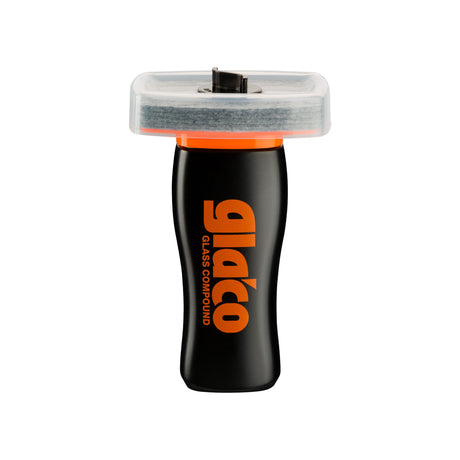
Glaco Glass Compound Roll On Glass Cleaner
Dual-Compound Glass Cleaner — Preparation for Sealants
Soft99
Glaco De Cleaner Glass Cleaner
Glass Cleaner with Water Beading Effect — protects sealants

SONAX
XTREME Ceramic ScheibenKlar "2 in 1" Glass Cleaner with Sealant
2-in-1: Streak-free cleaning and sealing of windows


THE COLLECTION
"Waffle" Waffle-Weave Glass Cloth Microfibre Towel (450 GSM)
Streak-free glass cloth with high absorbency


SONAX
PROFILINE Glass Detailer Concentrate Glass Cleaner Concentrate
Glass Detailer Concentrate — Ammonia-Free Glass Cleaner Concentrate
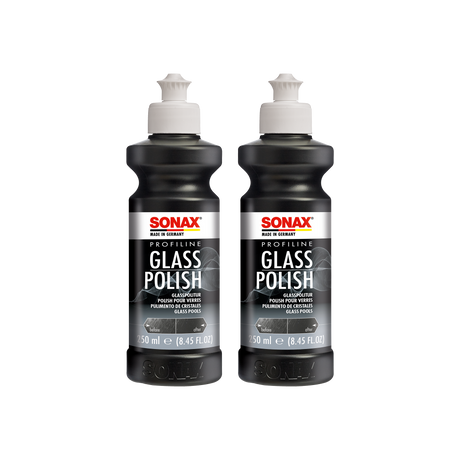
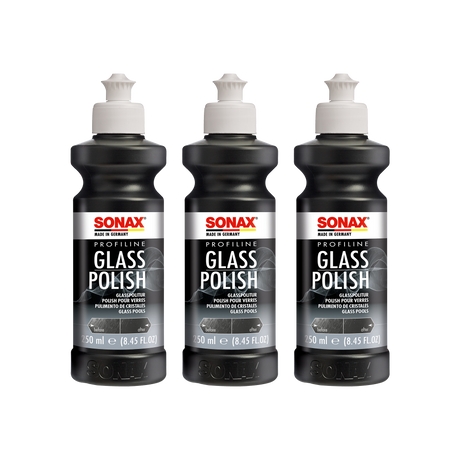
SONAX
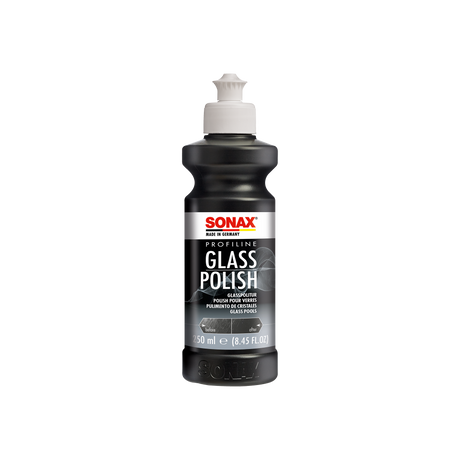
PROFILINE GlassPolish Glass Polish (Cerium Oxide Chemical-Mechanical)
GlassPolish - Cerium Oxide Glass Polish Chemical-Mechanical


Soft99
Glass Compound Z Glass Cleaner
Revolutionary glass cleaning for streak-free clarity
Lack & Karosserie: Lack- und Karosseriereinigung behandelt Rückstände, die eine normale Wäsche nicht immer vollständig abnimmt. Insekten, Eisenpartikel, Teer und mineralische Spuren verlangen unterschiedliche Wirkprinzipien. Die Auswahl folgt dem Belag und der Oberfläche; beschädigter Lack oder Ätzspuren sind von aufliegenden Verschmutzungen zu unterscheiden.
Koch-Chemie
Reactive Rust Remover "Rrr" iron fallout remover
Maximum cleaning performance for flawless results without compromise
Koch-Chemie
Teerwäsche A "Tea" Bitumen & Tar Remover
Perfect bitumen and tar removers for a flawless finish
Koch-Chemie
Efficient Adhesive Remover for Paint and Glass
Koch-Chemie
Orange Power "Op" Adhesive, Tree-Resin and Rubber Remover
Effective Adhesive and Resin Remover for Versatile Applications
Koch-Chemie
Koch-Chemie × THE FINISHER
THE FINISHER "InsectOff" Bug Remover
For gentle and quick removal of insect residue
TUGA Chemie
Alkaline Insect Remover Gel pH 9 with Low VOC Content
Koch-Chemie
Koch-Chemie Reinigungsknete "Rkb" Mild "Blau" Clay Bar
Gentle cleaning for paint and glass with detailing clay
Koch-Chemie
Eulex M "Eum" Adhesive Remover
Powerful adhesive remover for car care


SONAX
XTREME Film Cleaner Special Cleaner for Wraps
Film Cleaner — Special Cleaner for PPF, Vinyl, and Matte Paint


Koch-Chemie
Insect & Dirt Remover "Idr" Insect & Dirt Remover
Powerful cleaner for insect and dirt residues, which works gently.


SONAX
PROFILINE Waterspot Remover Water Spots & Limescale Remover
Waterspot Remover — Limescale and Water Stain Remover
Universalreinigung umfasst Mittel für mehrere ausdrücklich freigegebene Materialien und Einsatzbereiche. Ein Universalreiniger wird nach Verschmutzung, Rezeptur und Dosierung gewählt; Vielseitigkeit ist keine Freigabe für jede Oberfläche. Empfindliche Materialien bleiben eigene Prüffälle, auch wenn das Mittel viele gewöhnliche Reinigungsaufgaben abdeckt.
Koch-Chemie
Green Star "Gs" Universal Cleaner
Highly alkaline APC concentrate for workshops, engine bays and lifts
Koch-Chemie
Multi-Purpose Cleaner "Mzr" All-Purpose Cleaner
Alkaline cleaner concentrate with pH 12.5 and Daimler approval
Koch-Chemie
Allround Surface Cleaner "Asc" All-Purpose Cleaner
Ready-to-use pH-neutral all-purpose interior cleaner
Koch-Chemie
Green Star 96 "Gs9" All-Purpose Cleaner
Versatile multi-purpose cleaner for heavy soiling


SONAX
PROFILINE MultiStar "All-Purpose-Cleaner" Universal Cleaner
MultiStar - Universal Cleaner Concentrate
Koch-Chemie
Copo Star "Cs" Workshop Floor & Industrial Cleaner
Industrial cleaner for stubborn dirt
TUGA Chemie
Teufels-Reiniger® Universal Cleaner
Highly alkaline APC concentrate for engine bays, wheels and workshops


INNOVACAR
"100%" Degreasing Multi-Purpose Cleaner
Powerful degreaser effectively cleans engine, rims & interior


GYEON
Concentrated all-purpose cleaner – one product for everything
D-CON
Crystal Clear "APC" All-Purpose Cleaner
Concentrated, color- and fragrance-free all-purpose cleaner
TUGA Chemie
Tugalan® All-Purpose Cleaner Concentrate
Highly alkaline APC concentrate (pH 13) based on potassium hydroxide
D-CON
Orange Degreaser & Cleaner Concentrate Degreaser
Ultimate degreaser for tough cleaning tasks
Motorreinigung richtet sich nach den Materialien und Bauteilen im Motorraum. Fettfilm, Ölspuren und trockener Schmutz benötigen eine passende Reinigung, während elektrische Verbindungen und empfindliche Komponenten gesondert behandelt werden. Die Materialfreigabe und die konkrete Aufgabe bestimmen Reiniger und Arbeitsmedium.
Koch-Chemie
Motorplast "Mp" Engine Preservation
Silicone-free engine preservative with Daimler factory standard
Soft99
Professional detail brush for car exteriors in three sizes
Soft99
Ultimate detailing brushes for your car
Koch-Chemie
Exterior Brush Set Auto Detailing Brush Set


Koch-Chemie
Wheel & Engine Brush — Acid-Resistant Detailing Brush
TUGA Chemie
Detailing Wheel Brush for "Alu-Teufel "Spezial" (Green)"
Detailing wheel brush acid-resistant pH 0-14, metal-free

SONAX
PROFILINE Brush Set Detailing Brushes
Brush Set — 2-piece detailing brushes for tight spaces
Koch-Chemie
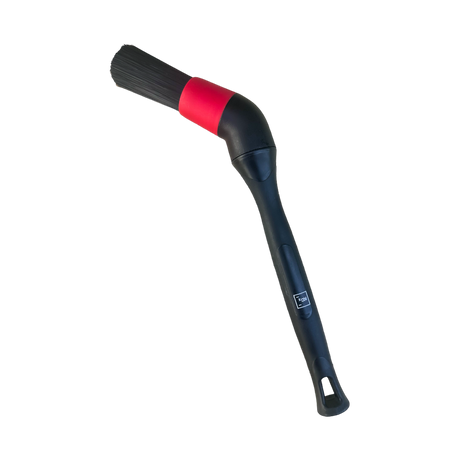
Exterior Brush "Red" Detailing Brush for Wheels
Koch-Chemie
Exterior Brush "Orange" Detailing Brush for Plastic Trim
Koch-Chemie
Exterior Brush "Yellow" Detailing Brush for Glass and Rubber
Koch-Chemie
Exterior Brush "Green" Detailing Brush for Delicate Surfaces
Koch-Chemie
Interior Brush "Medium" Detailing Brush with China Bristles (Yellow)
Industriereinigung verbindet Produkte für betriebliche Verschmutzungen mit Mitteln für Werkstattböden und technische Reinigungsprozesse. Belag, Untergrund und Verfahren bestimmen die Auswahl. Konzentration, Schaumbildung und Entnahme müssen zur Anwendung passen; der industrielle Einsatz macht ein Produkt nicht automatisch universell verwendbar.
Koch-Chemie
Copo Star "Cs" Workshop Floor & Industrial Cleaner
Industrial cleaner for stubborn dirt
Koch-Chemie
Koc Defoamer "Ken" Defoamer Concentrate
Highly effective defoamer concentrate for industrial applications
Koch-Chemie
Cosmo-Clean "Cc" Safety Floor Cleaner Concentrate
Concentrated Floor Cleaner for Workshops & Industry
Koch-Chemie
Copo Star BMP-G "Csg" Workshop Floor & Industrial Cleaner

What is a car cleaner? A product that breaks dirt loose from a vehicle surface chemically instead of scrubbing it off. This category covers pre-cleaners, wheel cleaners, glass cleaners, all-purpose cleaners, insect removers, iron fallout removers and solvents for tar and adhesive. Which one does the job depends on the type of dirt.
Car cleaning products lift dirt off a vehicle surface chemically rather than wearing it away mechanically. The umbrella term covers pre-cleaners, wheel cleaners, glass cleaners, all-purpose cleaners, insect removers, iron fallout removers and the solvents for tar and adhesive residue. What sets them apart isn't the brand, it's what they attack. Which types of dirt a cleaner shifts comes down to its formula; some products combine several cleaning properties.
Detailing1's tip from the shop: What we see day-to-day: the most expensive mistake in this category isn't picking the wrong product, it's running out of patience. The dwell time you need is in the product instructions; that's when the active ingredients break the dirt down. Reach for the towel straight away and you drag hard particles across the paint and pick up swirls — fine circular scratches that show up as a spider's web in direct sun. The other half of the same rule: never let the cleaner dry on. Work on a cool surface in the shade, spray panel by panel rather than the whole car, and rinse while the surface is still wet. Chemistry that dries on leaves marks that are harder to shift than the dirt was.
Every bit of dirt on a car falls into one of four groups, and each group has its own weak spot.
Organic is anything that was once alive: bug splatter, bird droppings, pollen, tree sap. Behind it are proteins and fats that break down in an alkaline environment. Alkaline means the cleaner sits above pH 7 and saponifies fats, turning them water-soluble. In practice, a baked-on wall of bugs runs off on its own after a few minutes' dwell time instead of smearing into streaks under the sponge. The products for this are under Insect remover.
Mineral is the opposite: limescale from hard tap water, water spots after drying in the sun, cement haze from the building site next door, road salt residue in winter. These deposits are alkaline, so an alkaline cleaner just bounces off. What works here is an acid that turns the mineral into a water-soluble salt. Put simply: the hard white spot becomes something that simply runs off with the rinse water.
Oily covers tar, bitumen, oil, silicone residue and adhesive left behind by badges or price stickers. Water and surfactants don't get far, because the residue itself repels water. You need a solvent that swells the stuff and takes it up. The Koch-Chemie Teerwäsche A „Tea" Bitumen & Tar Remover belongs in this group, as does the Koch-Chemie Eulex „Eu" Adhesive Remover for sticker residue and rubber marks.
Metallic, finally, means iron fallout and brake dust. Every time you brake, red-hot iron particles fly off the pads and burn into paint and wheels. An iron remover binds these particles with an active ingredient from the thioglycolate family, which clamps around each iron particle and makes it water-soluble. For you that means: what was baked on a moment ago bleeds purple and runs off before you even pick up the brush. The topic has its own page under Rust remover.
The rule of thumb is simple. Chemistry beats chemistry; against the wrong chemistry only elbow grease helps — and elbow grease on paint is always the more expensive route. We often see customers buying a third product from the same group when the dirt actually belongs to a different one.
If you take just one number away from this category, make it this one: the pH value. It rarely sits big on the label, yet it decides between success and damage.
Alkaline cleaners sit above pH 7 and are the workhorse for organic dirt and traffic film. They cover most of a normal wash, from the pre-cleaner and all-purpose cleaner to wheel foam. The higher the value, the more grease they cut — and the more care you need around sensitive surfaces next to them.
Acidic cleaners sit below pH 7 and are the answer to mineral deposits and stubborn brake dust. They work fast but are unforgiving. On bright-polished aluminium, magnesium wheels and chrome, too long a dwell time can etch the surface dull, and that damage doesn't come back. So with acidic products the rule is: cold wheel, short dwell time, rinse thoroughly.
Neutral cleaners around pH 7 also need the right material approval. On ceramic coatings, wraps and anti-glare displays, what counts is the specific product approval and the care instructions for the surface. Acid-free doesn't automatically mean pH-neutral, either: the Koch-Chemie Magic Wheel Cleaner "Mwc" Wheel Cleaner works reactively against brake dust and, according to the product information, has a pH of 5.5.
The TUGA Chemie Alu-Teufel „Spezial"® (Green) Wheel Cleaner follows the same logic and is our best-selling wheel cleaner outside the Koch-Chemie range. The colour change makes it visible that it's working; on polished wheel lips, check the specific product approval.
One limit needs saying plainly here: no pH value in the world replaces dwell time, and no cleaner works better because you mix it stronger than recommended. Overdosed concentrates leave surfactant residue that pulls moisture from the air and attracts fresh dust within days. A lot of the questions we get about supposedly weak cleaners turn out to be a dilution issue.
The type of dirt tells you which chemistry you need. The surface tells you which one you can get away with.
Paint is the most sensitive large surface on the car. Depending on the manufacturer, the clear coat on top is only around 40 to 50 micrometres thick — roughly half a human hair. Anything that attacks or scratches it can only be corrected by removing material, and there's only so much to remove. That's why on paint we stick to cleaners approved for it and keep to the dwell time in the product instructions. The products for chemical decontamination are under Paint cleaning.
Glass can take a lot more but needs something else: zero residue. A glass cleaner has to flash off quickly and evenly, otherwise you get streaks that are especially annoying with the sun low in the sky. The Koch-Chemie Glas Star „Gla" Glass Cleaner Concentrate is the concentrate for anyone doing a lot of windows, the Koch-Chemie Glass Cleaner „Gc" Glass Cleaner the ready-to-use option for quick top-ups.
Wheels are the other extreme. That's where heat, brake dust and road salt meet, and the finishes vary: powder-coated, painted, polished, chrome-plated, matte. Even on painted factory wheels the product approval has to match; on polished and matte finishes, check the restrictions that apply with extra care. If in doubt, check the approval for your wheel finish and keep to the dwell time in the product instructions.
For exterior plastic and rubber — wheel arch liners, trim strips, seals — the product approval and care instructions have to suit the surface. The protection step that follows is under Care products.
For surfaces that don't fit any specialist group, there are the all-rounders. The Koch-Chemie Allround Surface Cleaner „Asc" All-Purpose Cleaner handles sills, floor mats, engine covers and plastic add-on parts in one product. You'll find the whole group under All-purpose cleaners and the special cases under Specialist cleaners.
Cleaners don't work in isolation, they work in sequence. Flip the order and you do the job twice.
Start with the wheels, and do them before the wash. Wheel cleaner tends to splash, and whatever lands on paint you've already washed has to come off again. Second reason: the cleaner needs a cold wheel, and you're more likely to have one at the start of the session than after twenty minutes in the sun.
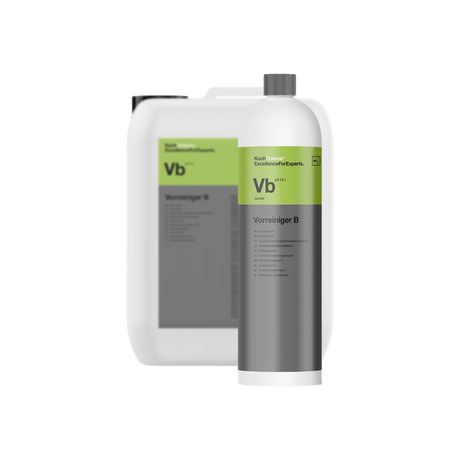
Next, the pre-cleaner goes onto the dry, unwashed car. Its job isn't to get it clean but to knock the dirt down: it loosens the heavy traffic film so your wash mitt drags fewer particles across the paint later. The Koch-Chemie Vorreiniger B „Vb" Pre-Cleaner is our best-seller at this stage, the Koch-Chemie Pre-Foam efficient „Pfe" Pre-Cleaner & Insect Remover the version that takes care of bug residue at the same time.
Only then comes the actual wash with shampoo and two buckets. Anything you've already removed chemically can't scratch you any more. The products for this are under Car wash.
After the wash and before any protection step comes decontamination, in this order: iron remover for fallout first, then solvent for tar, and finally clay for whatever's left. The order isn't a ritual. Each step takes work off the next, and your clay lasts longer if you're not dragging it through tar spots.
Right at the end comes building up, not taking off. A freshly decontaminated surface is as receptive as it gets — and as unprotected as it gets. Day-to-day at Detailing1 we regularly see cars where the cleaning was meticulous and the protection step got skipped — four weeks later the paint looks just like before, and all that work went down the drain.
Our range in this category is broad, and the way it's weighted says something about the market.
SONAX makes up by far the biggest group and covers every price point, from entry-level products to the PROFILINE series. Koch-Chemie comes second in size but dominates the best-seller list. Then there's GYEON, CarPro, Soft99, Meguiar's, D-CON and TUGA Chemie, each with smaller, clearly focused line-ups. The range runs from the handy spray bottle to the canister for the professional detailer.
The top seller in the whole category is the Koch-Chemie Green Star „Gs" Universal Cleaner, an alkaline concentrate that, depending on dilution, goes from gentle interior cleaner to heavy-duty wheel and engine bay cleaner. That range is exactly why it sits at the top: one canister replaces three spray bottles, and you control the strength yourself.
Right behind it is the Multi-Purpose Cleaner „Mzr", which is milder and so ends up in the interior more often. If you know both, you use Green Star for outside and down low, and the Multi-Purpose Cleaner for inside and up high.
Concentrate or ready-to-use comes down to volume in the end. One car, two to four washes a year: spray bottle. Several cars in the household, monthly care, or a used car that's getting a full going-over once: concentrate. The lower price per litre is one argument; the flexibility in dilution is the other, and often the more important one.
What this category deliberately doesn't cover is polishes and sealants. A cleaner takes away, it doesn't lay anything down. As soon as the dirt can't be dissolved chemically and is sitting in the paint, this page's job ends and the polish takes over.
If you're just starting out, you don't need a collection. Three products cover everyday use.
First, an alkaline pre-cleaner. It's the step with the biggest impact on paint condition, because it removes the particles your wash mitt would otherwise drag around. Second, an acid-free wheel cleaner with a colour change; for iron particles on paint, the specific product also needs explicit paint approval. Third, a universal concentrate for anything that isn't paint, glass or wheels.
For high-mileage drivers and commuters, add a fourth: the insect remover. Between May and September it's the one cleaner you'll need every week, and the sooner the splatter comes off, the less time its acids have to eat into your clear coat.
For detailers and anyone working on several cars a day, the maths is different. There, the canister pays off for the two most-used products, while the specialists for tar, adhesive and fallout stay in small sizes. You don't reach for them often, and opened solvents age faster than water-based cleaners.
If you're not sure, don't go by the brand, go by the problem. Describe the dirt, put it into one of the four groups, and the choice narrows itself down. What we see again and again at Detailing1: most bad buys don't come from bad products but from dirt that belonged in a different group.
The rest of this page goes deeper. You'll find the sub-groups under All-purpose cleaners, Specialist cleaners, Insect remover, Rust remover and Paint cleaning. What happens before is under Car wash, what comes after under Care products.
Too much choice in Cleaning? Get help picking:
Daniel von Detailing1 |

Daniel von Detailing1 |

Daniel von Detailing1 |

Daniel von Detailing1 |

Jasper von Detailing1 |

Daniel von Detailing1 |

Daniel von Detailing1 |

Daniel von Detailing1 |

Jasper von Detailing1 |

Jasper von Detailing1 |

Daniel von Detailing1 |

Daniel von Detailing1 |