
















5 Mistakes That Break Down Your Rain Repellent in Winter
Daniel von Detailing1 |


Koch-Chemie
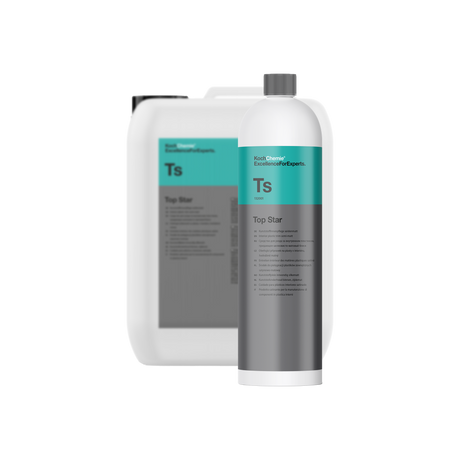
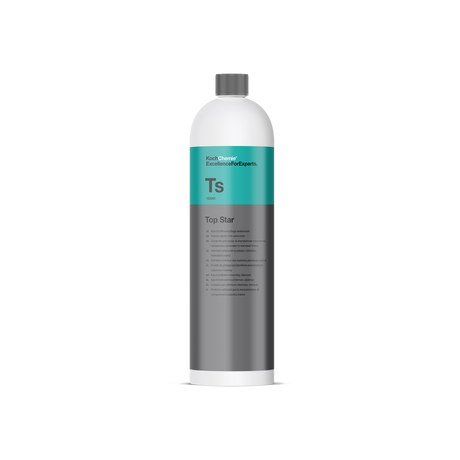
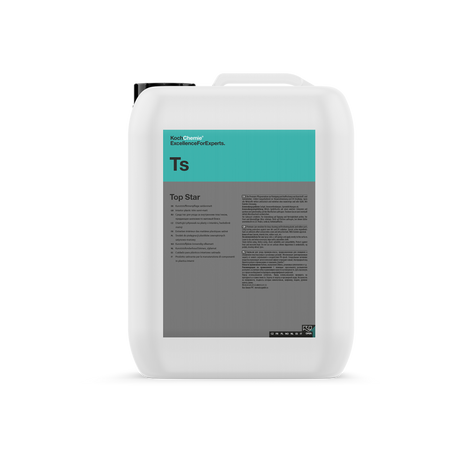
Top Star "Ts" Interior Plastic Care
Silicone-free Plastic Care with UV Protection and Silk-Matte Finish
Koch-Chemie
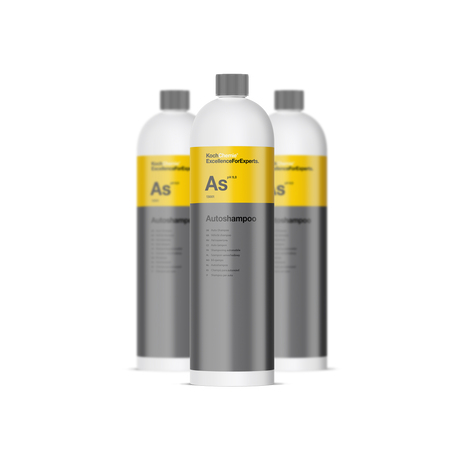
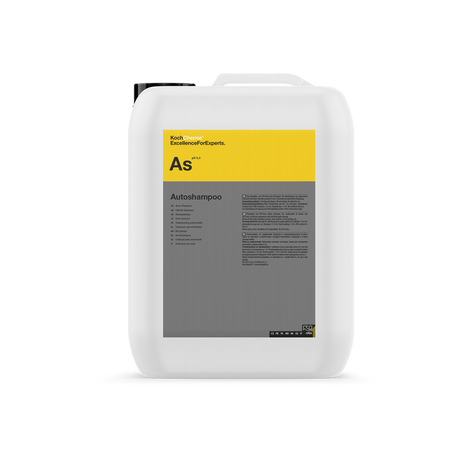
Cleans thoroughly and gently, preserves the shine of the paint surface
Koch-Chemie
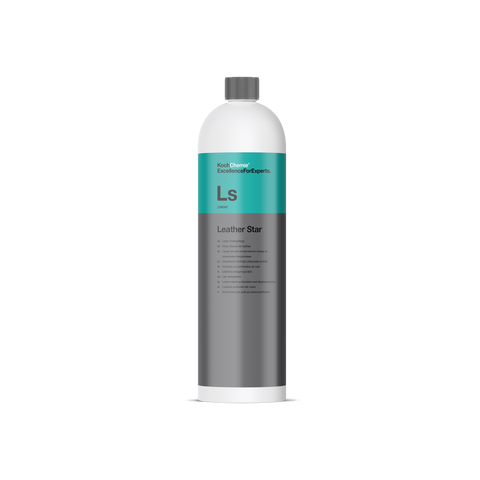
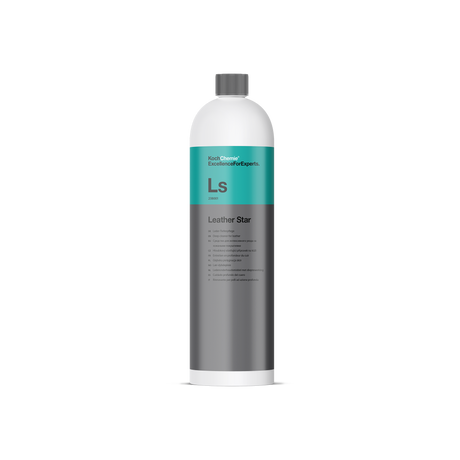
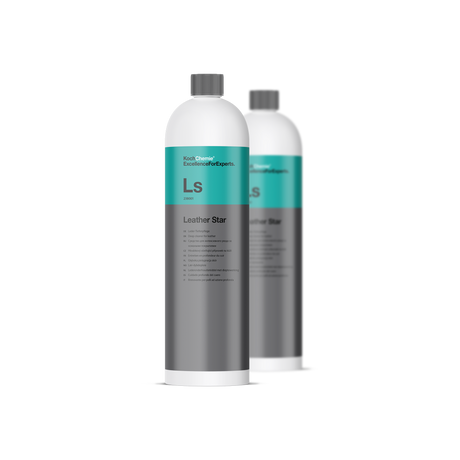
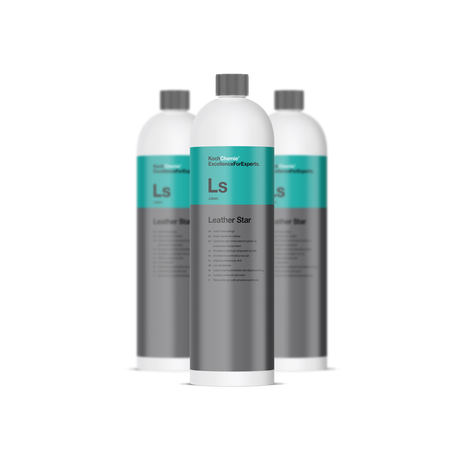
Leather Star "Ls" Leather Care
Ready-to-use leather care emulsion with active UV blockers
Koch-Chemie
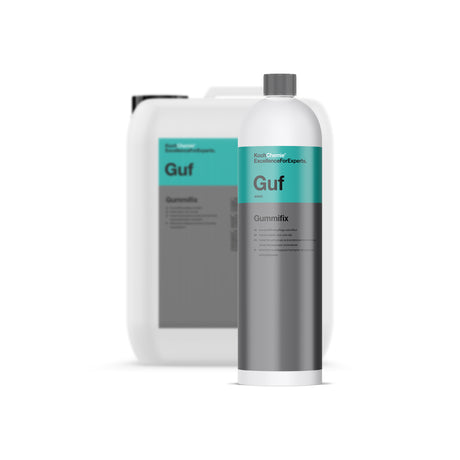
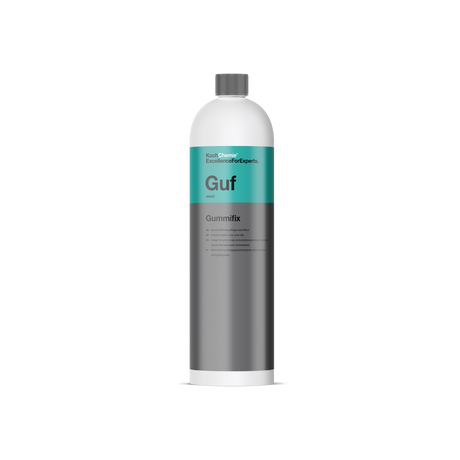
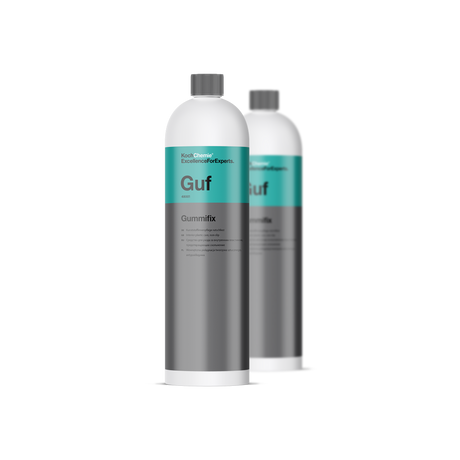
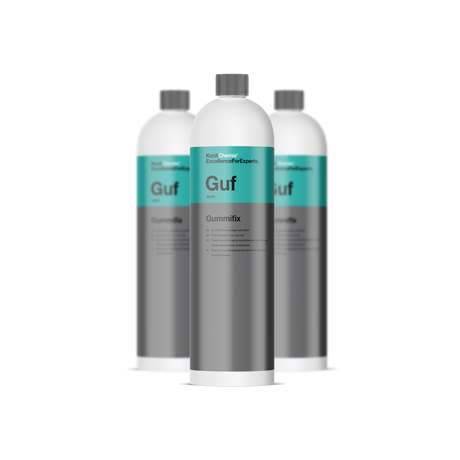
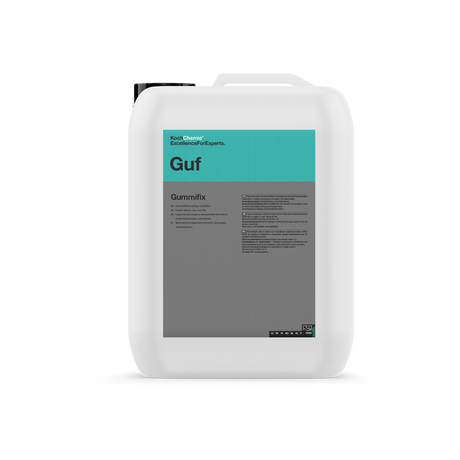
Gummifix "Guf" rubber and plastic care
Silicone-free rubber and plastic care for non-slip floor mats
Koch-Chemie
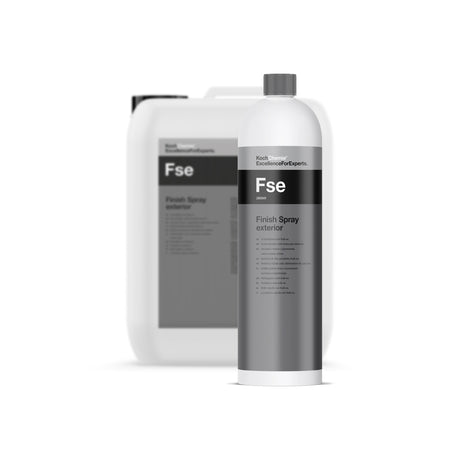
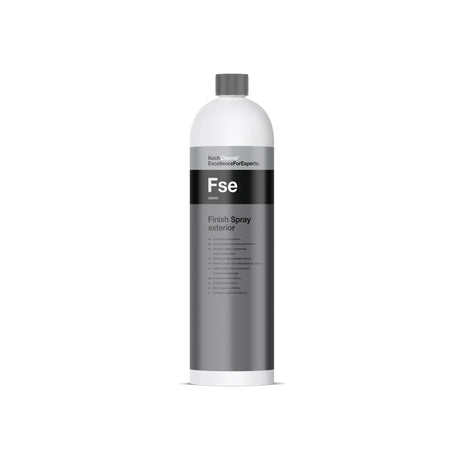
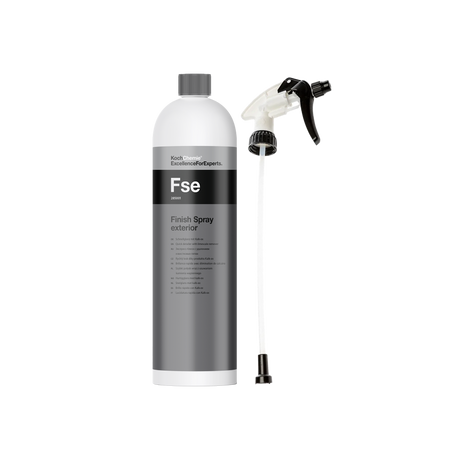
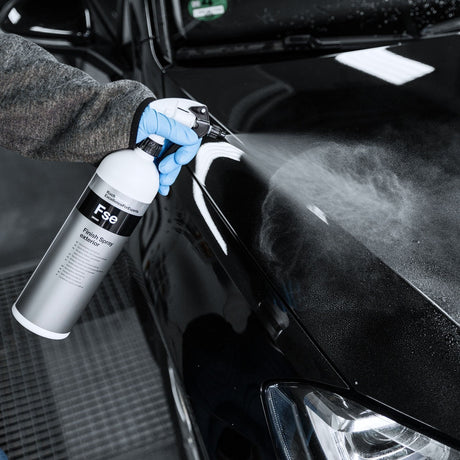
Finish Spray Exterior "Fse" Quick Detailer with Kalk-EX
Acidic quick detailer with Kalk-EX formula for paint, glass & plastics
Koch-Chemie
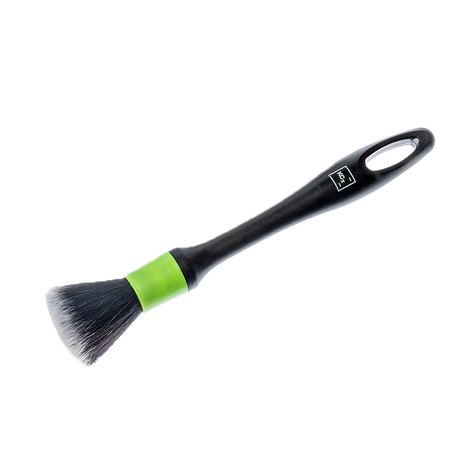
Interior Brush "Green" Interior Autodetailing Brush soft
Koch-Chemie
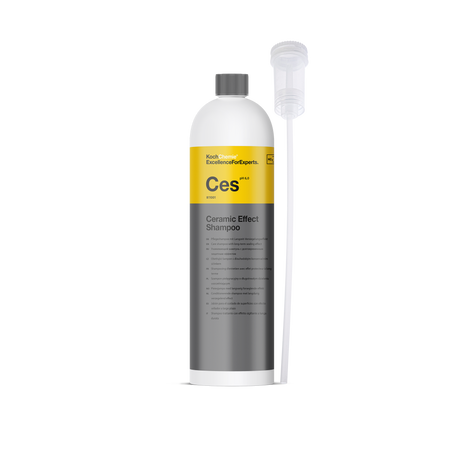
Ceramic Effect Shampoo "Ces" Maintenance Shampoo with Long-Term Sealant Effect
Care shampoo with SiO₂ sealant for coating-compatible hand wash
Koch-Chemie × COLOURLOCK
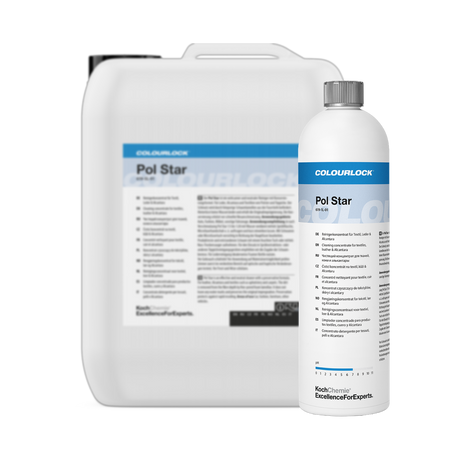
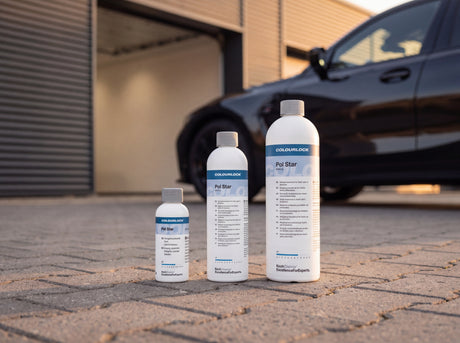
COLOURLOCK "Pol Star" cleaner concentrate for fabric, leather & Alcantara
pH-neutral cleaner concentrate for fabric, Alcantara & smooth leather
Koch-Chemie
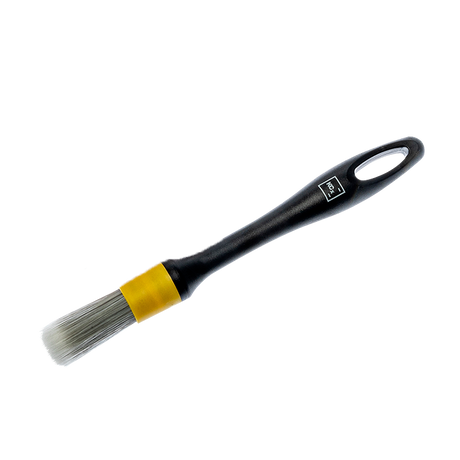
Interior Brush "Yellow" interior brush medium-hard
Koch-Chemie
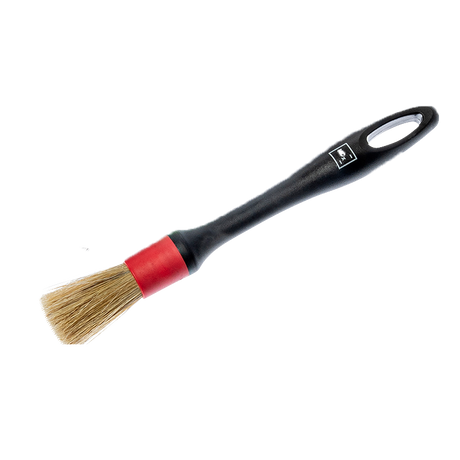
Interior Brush "Red" hard interior detailing brush
Koch-Chemie
Quick & Shine "Qs" Quick Detailer
All-rounder for quick shine and color enhancement
Koch-Chemie
Reactivation Shampoo "Rs" Car Shampoo for Ceramic Coatings
Revolutionary cleaning and protection for ceramic coated vehicles!
Koch-Chemie
Cockpit-Super-Pflege "Csp" Interior Plastic Dressing (Glossy)
High-gloss cockpit care with antistatic effect
Koch-Chemie
Koch-Chemie Kcu Tyre Foam "Rfs" Tyre Care
Quick and effective tire care for long-lasting shine
Koch-Chemie × COLOURLOCK
COLOURLOCK "Leather Care" Smooth Leather Care Milk with UV Protection
Nourishing lotion for smooth leather with UV protection


Koch-Chemie
Rapid Rinseless Wash "Rrw" — Rinseless Car Wash
Fast, paint-friendly washing without rinsing
Koch-Chemie × COLOURLOCK
COLOURLOCK "Fresh Up" Odour Neutraliser with Fresh Scent
Fresh and effective odor neutralizer for interiors and leather
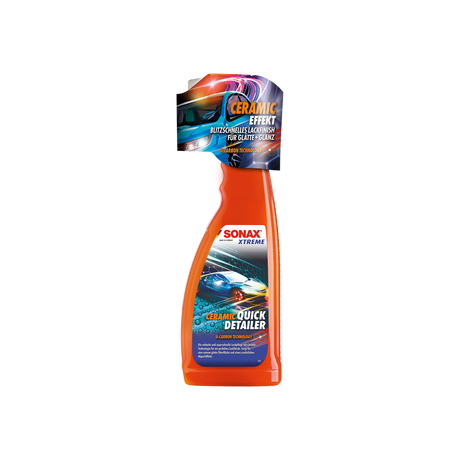
SONAX
XTREME Ceramic QuickDetailer Quick-Detailer
Ceramic Quick Detailer — Ceramic Detailer with Si-Carbon Protection
Koch-Chemie
Quick Finish "Qf" All-Round Finish Spray / Quick Detailer
All-round finish spray for radiant surfaces and shine
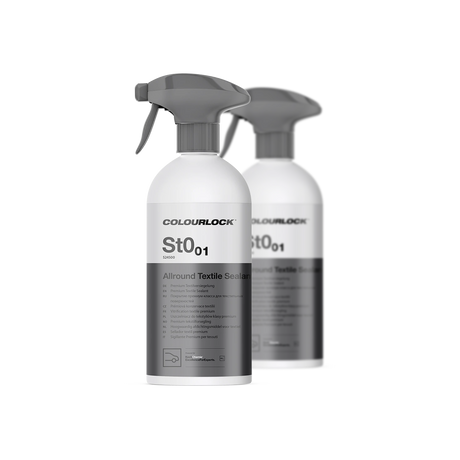
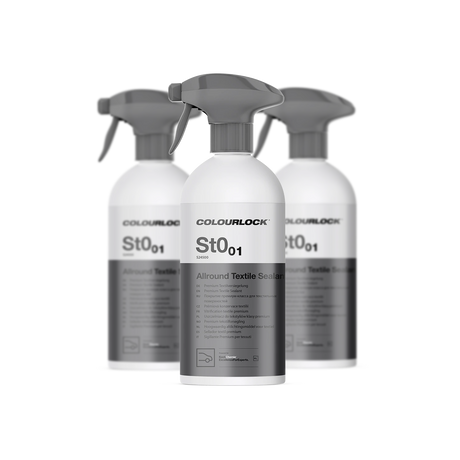

Koch-Chemie × COLOURLOCK
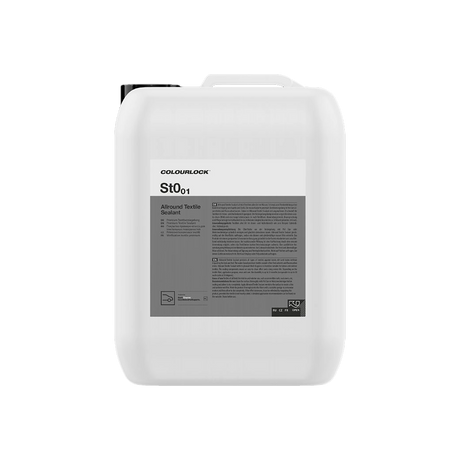
Allround Textile Sealant "St0.01" Premium Fabric Sealant
Optimal Textile Sealant for Long-Lasting Protection
Koch-Chemie × COLOURLOCK
COLOURLOCK "Leather Cleaner" (Mild) — cleaner for normally soiled pigmented smooth leather
Gentle daily leather cleaning and care
Koch-Chemie × COLOURLOCK
COLOURLOCK "Leather Shield" Care Product for New Leather to Protect Against Wear
Protect leather from abrasion and maintain its matte finish

Koch-Chemie × COLOURLOCK
COLOURLOCK "Top Coat" (Dull) Matte Sealing Lacquer for Professional Leather Repair
Matt Topcoat for Leather Surfaces
At Detailing1, Leather brings together cleaning and care for car leather — graded by leather type, from tough pigmented smooth leather to delicate aniline and nubuck. The range runs from mild and strong leather cleaners through feeding care to matched care sets. The focus is on COLOURLOCK and Koch-Chemie, alongside SONAX, GYEON and Meguiar's.
Koch-Chemie
Leather Star "Ls" Leather Care
Ready-to-use leather care emulsion with active UV blockers
Koch-Chemie
Interior Brush "Green" Interior Autodetailing Brush soft
Koch-Chemie
Interior Brush "Yellow" interior brush medium-hard
Koch-Chemie
Interior Brush "Red" hard interior detailing brush
Koch-Chemie × COLOURLOCK
COLOURLOCK "Leather Care" Smooth Leather Care Milk with UV Protection
Nourishing lotion for smooth leather with UV protection
Koch-Chemie × COLOURLOCK
COLOURLOCK "Leather Cleaner" (Mild) — cleaner for normally soiled pigmented smooth leather
Gentle daily leather cleaning and care
Koch-Chemie × COLOURLOCK
COLOURLOCK "Leather Shield" Care Product for New Leather to Protect Against Wear
Protect leather from abrasion and maintain its matte finish
Koch-Chemie × COLOURLOCK
COLOURLOCK "Top Coat" (Dull) Matte Sealing Lacquer for Professional Leather Repair
Matt Topcoat for Leather Surfaces
Koch-Chemie × COLOURLOCK
COLOURLOCK "Degreaser" Solvent-Free Leather Degreaser for Surface Prep on All Leather Types
Solvent-free degreaser for optimal leather repair preparation
Koch-Chemie × THE FINISHER
THE FINISHER "LeatherLock" Leather Care
Universal Leather Care with UV Protection for a Pleasant Feel


Koch-Chemie × COLOURLOCK
COLOURLOCK "Smooth Leather Care" Set (care kit for smooth leather aged 3 years and up)
Leather care for older leather for suppleness and protection
Plastic & Rubber: Plastic and rubber care depends on the interior, exterior component, and material function. Cockpits, unpainted trim strips, and seals require different products and desired surface effects. Cleaning precedes care; gloss and color enhancement are chosen according to the component and not applied indiscriminately to every surface.
Koch-Chemie
Top Star "Ts" Interior Plastic Care
Silicone-free Plastic Care with UV Protection and Silk-Matte Finish
Koch-Chemie
Gummifix "Guf" rubber and plastic care
Silicone-free rubber and plastic care for non-slip floor mats
Koch-Chemie
Cockpit-Super-Pflege "Csp" Interior Plastic Dressing (Glossy)
High-gloss cockpit care with antistatic effect
Koch-Chemie × THE FINISHER
THE FINISHER "InsideCare" Interior Care
Care and UV Protection for Interior Plastic Parts


SONAX
XTREME Ceramic Plastic Sealant
Ceramic Plastic Sealant — Si-Carbon Protection 3 Months

SONAX
PROFILINE CeramicCoating "CC" Plastic+Rubber plastic coating
Long-term plastic sealant with UV protection for exterior use

SONAX
PROFILINE CeramicCoating "CC" HeadlightCoating Headlight Sealant
Long-lasting Headlight Sealant with UV Protection for Clear Vision

Meguiars
Ultimate Interior Shine Protectant Interior Care
Deep interior shine with UV protection — plastic & vinyl like new

GYEON
GYEON Q²M Preserve – SiO₂ plastic protectant for matte black


Meguiars
NATURAL SHINE Protectant Plastic Care
Interior Care for a Perfect Finish


GYEON
Q² Trim EVO Ceramic Trim Restorer & Protectant ceramic coating for exterior plastics
Ceramic plastic care – permanently deep black without graying


SONAX
PROFILINE GummiPfleger rubber & tyre care
GummiPfleger — Professional Rubber & Tire Care
Rim and tire care complements wheel cleaning. Tire care determines the finish of the sidewall, while rim detailers treat light residue on suitable rim surfaces. Both are selected based on the material and existing coating; a care product replaces neither thorough cleaning nor a suitable separate sealant.
Koch-Chemie
Koch-Chemie Kcu Tyre Foam "Rfs" Tyre Care
Quick and effective tire care for long-lasting shine

SONAX
XTREME ReifenGlanzGel "Ultra Wet Look" Tyre Care
Tyre gloss gel "Ultra Wet Look" – tyre dressing with a deep high gloss


SONAX
XTREME Ceramic Tyre+Wheel Detailer Quick-Detailer
2-in-1 Ceramic Care: Cleans, protects, and conditions tires and rims

SONAX
XTREME Tyre + Plastic Cleaner Tyre & Plastic Cleaner
Tyre + plastic cleaner – combo cleaner for wheels & exterior plastics

SONAX
ReifenGlanz Special Edition "Black-Beast-Effect" Tyre Care
Deep black tire shine with a weeks-long wet-look effect


CarPro
"ReTyre" Tyre & Rubber Cleaner
Clean and care for tires thoroughly
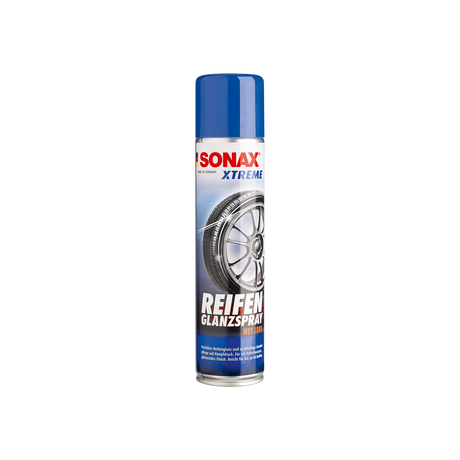
SONAX
XTREME ReifenGlanzSpray "Wet Look" Tyre Care
Tire Shine Spray Wet Look — Aerosol Tire Care with UV Protection

Meguiars
GOLD CLASS Endurance Tire Gel — Tyre Care
Tire Care for a Perfect Finish


Soft99
Digloss Black Devil Tire Wax Tyre Care
Perfect tire care with intense shine and UV protection

SONAX
XTREME Tyre Care "Matt-Effect" tyre dressing
Tire Dresser "Matt-Effect" — matte satin finish for tires


INNOVACAR
"SC6" Wet Dressing Tyre Care (glossy)
Tire care with shine and a perfect wet look
INNOVACAR
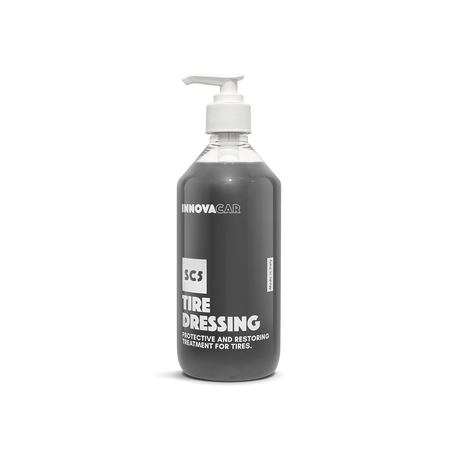
"SC5" Tire Dressing — Tyre Care
Versatile tire and plastic care with long-lasting protection
Paint care complements washing and drying with products for a well-maintained surface appearance. Detailers remove light residue, drying aids assist with water removal, and specific formulas provide additional protection. Use depends on the level of soiling and existing sealant; heavy dirt should be removed through washing first.
Koch-Chemie
Finish Spray Exterior "Fse" Quick Detailer with Kalk-EX
Acidic quick detailer with Kalk-EX formula for paint, glass & plastics
Koch-Chemie
Quick & Shine "Qs" Quick Detailer
All-rounder for quick shine and color enhancement
SONAX
XTREME Ceramic QuickDetailer Quick-Detailer
Ceramic Quick Detailer — Ceramic Detailer with Si-Carbon Protection
Koch-Chemie
Quick Finish "Qf" All-Round Finish Spray / Quick Detailer
All-round finish spray for radiant surfaces and shine

SONAX
XTREME "BrilliantShine" Detailer Quick-Detailer
"BrilliantShine" Detailer — Polymer Quick Detailer, 6–8 weeks

Meguiars
Ultimate Quik Detailer Quick-Detailer
Quick Detailer Spray — Shine & Protection Without Water Connection
Koch-Chemie × THE FINISHER
THE FINISHER "JustPerfect" Quick Detailer
Detailer for high gloss & color enhancement on painted surfaces
Soft99
Fusso Coat Speed & Barrier Quick Detailer
Fast vehicle care with long-term protection made for Fusso Coat


INNOVACAR
Clean & maximum shine in one step with minimum effort


CarPro
"EliXir" High-Gloss Quick-Detailer
Perfect shine and protection for your car in seconds


Meguiars
Hybrid Ceramic Detailer Quick Detailer
SiO2 Ceramic Protection & Shine in 60 Seconds — spray on, wipe off


GYEON
Q²M QuickDetailer Quick Detailer with Carnauba Wax
Carnauba Quick Detailer for dry paint care without washing
Film and PPF care maintains the intended finish of suitable vehicle and paint protection films. Material composition and surface coating determine the choice of product. Matte and glossy finishes have different care requirements; a desired color enhancement on one film may undesirably alter the appearance of another.
Koch-Chemie
Cleans thoroughly and gently, preserves the shine of the paint surface
Koch-Chemie
Ceramic Effect Shampoo "Ces" Maintenance Shampoo with Long-Term Sealant Effect
Care shampoo with SiO₂ sealant for coating-compatible hand wash
Koch-Chemie
Reactivation Shampoo "Rs" Car Shampoo for Ceramic Coatings
Revolutionary cleaning and protection for ceramic coated vehicles!
Koch-Chemie
Rapid Rinseless Wash "Rrw" — Rinseless Car Wash
Fast, paint-friendly washing without rinsing


SONAX
XTREME Film Cleaner Special Cleaner for Wraps
Film Cleaner — Special Cleaner for PPF, Vinyl, and Matte Paint


SONAX
XTREME Rich-Foam Shampoo Car Shampoo
Rich-Foam Shampoo — High-foaming car shampoo for foam guns


Koch-Chemie
NanoMagic Shampoo "Nms" Nano Shampoo
High-tech shampoo with nano-sealant for maximum paint protection

SONAX
XTREME Ceramic Active-Shampoo Car Shampoo
Ceramic ActiveShampoo — Ceramic Protection with Every Hand Wash


SONAX
XTREME Film Detailer Quick Detailer for Vinyl Wraps
Film Detailer — solvent-free, for PPF, vinyl, and matte films
Koch-Chemie
Aktivwäsche "Aw" Active Shampoo
Active shampoo concentrate for car washes, foam lances & hand washing
TUGA Chemie
pH-neutral car shampoo concentrate with lychee scent, LSP safe


Meguiars
Ultimate Wash & Wax Autoshampoo
2-in-1 Shampoo with integrated wax protection
Textile and convertible top care depends on fiber, color, and current condition. Suitable products complement cleaning and can, for instance, refresh the color of a textile top. They do not replace structural repairs or automatically provide waterproofing; material approval and the intended application determine the selection.
Koch-Chemie × COLOURLOCK
COLOURLOCK "Pol Star" cleaner concentrate for fabric, leather & Alcantara
pH-neutral cleaner concentrate for fabric, Alcantara & smooth leather
Koch-Chemie × COLOURLOCK
Allround Textile Sealant "St0.01" Premium Fabric Sealant
Optimal Textile Sealant for Long-Lasting Protection
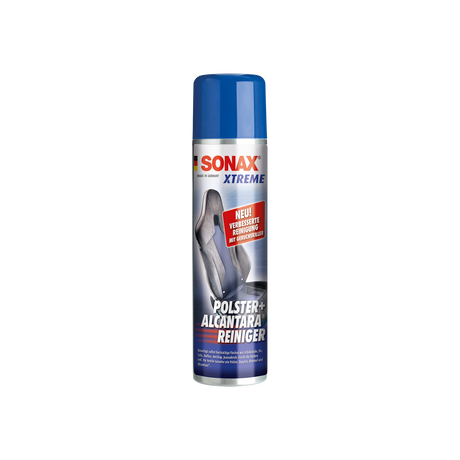
SONAX
XTREME Upholstery+Alcantara Cleaner Textile Cleaner
Upholstery+Alcantara Cleaner — Foam cleaner with odor neutralization

SONAX
PROFILINE FabricCoating fabric impregnation
FabricCoating — Textile impregnation for convertibles & interiors

GYEON
Q²M FabricCleaner Textile Cleaner
Textile Cleaner – deep acting for seats, carpets, headliners

SONAX
XTREME Upholstery+Alcantara Cleaner (Propellant-Free) Upholstery Cleaner
Upholstery + Alcantara Cleaner — propellant-free, neutralizes odors
Koch-Chemie × THE FINISHER
THE FINISHER "TexLock" fabric sealant
Universal textile sealant with Easy-to-Clean effect


Dr. Wack "A1"
A1 "Polster-/Alcantara Reiniger" (Pro) Textile Cleaner
Aerosol foam for upholstery, velour and Alcantara, kills odours


Meguiars
FOAMING FLOORMAT and Carpet Cleaner for Car Mats & Carpets
Textile cleaners for a perfect finish
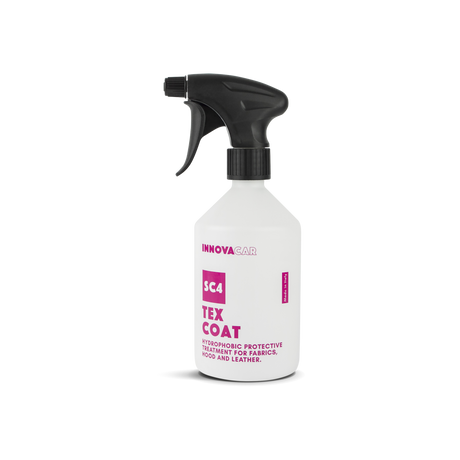


INNOVACAR
"SC4" Tex Coat Textile Sealant
Textile and leather waterproofing with long-lasting effect


GYEON
Dirt rolls off – SiO₂ impregnation for automotive textiles
Koch-Chemie × THE FINISHER
THE FINISHER "CoverGuard" textile sealant
Special textile sealing with subsequent easy-to-clean effect
Car Fragrance & Odor: Car fragrances and odor treatments serve different purposes. Scent products alter the olfactory impression, while cleaning and appropriate odor neutralizers address the source of a nuisance. The choice depends on the cause and the desired result; a stronger fragrance does not replace the drying of damp upholstery or the cleaning of residual deposits.
Koch-Chemie × COLOURLOCK
COLOURLOCK "Fresh Up" Odour Neutraliser with Fresh Scent
Fresh and effective odor neutralizer for interiors and leather


INNOVACAR
Fresh interiors thanks to innovative odor remover


Meguiars
Dubai Sands Air Re-Fresher Cabin Air Freshener Aerosol
Oriental Odor Eliminator with Sea Salt & Mandarin


Meguiars
ULTIMATE Whole Car Air Re-Fresher Air Freshener Aerosol
Odor-Eliminating Aerosol Total Release Treatment — ULTIMATE Formula


Meguiars
Stargazer Air Re-Fresher Air Freshener Aerosol
Aerosol air freshener with true odor elimination


Meguiars
Tropical Rainforest Air Re-Fresher Air Freshener Aerosol
Aerosol odor eliminator with a tropical fresh scent


Meguiars
Island Volcano Air-Refersher Air Freshener Aerosol
Re-Fresher Air Freshener, 2 oz (59 ml)


CarPro
"So2Pure" 2.0 Air-Purifying-Coating Odour Eliminator
Innovative photocatalytic indoor coating for clean air


Meguiars
Air Re-Fresher Whole Car Odor Eliminator
Permanent odor eliminator for the entire vehicle interior

GYEON
Q²M OdorRemover "Purify Line" Odour Remover
Odor Remover Purify Line – neutralizes instead of masking
Meguiars
Carpet & Cloth "Re-Fresher" Odour Remover
Odor eliminator spray for upholstery, carpets, and textiles

Care: care products keep suitable vehicle materials looking the way they should. Leather, trim, rubber, paint and fabrics all want different products.
The state of the material, how it feels under your hand and the gloss level you want decide the choice; care, cleaning and sealing stay separate jobs.
Too much choice in Care? Get help picking:
Daniel von Detailing1 |

Daniel von Detailing1 |

Daniel von Detailing1 |

Daniel von Detailing1 |

Daniel von Detailing1 |

Daniel von Detailing1 |

Jasper von Detailing1 |

Daniel von Detailing1 |

Daniel von Detailing1 |

Daniel von Detailing1 |

Jasper von Detailing1 |

Jasper von Detailing1 |