5 Mistakes That Break Down Your Rain Repellent in Winter
Daniel von Detailing1 |


Detailing1 PRO: trade terms for professional users.
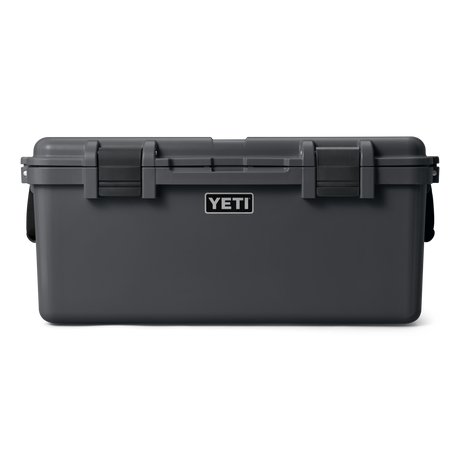
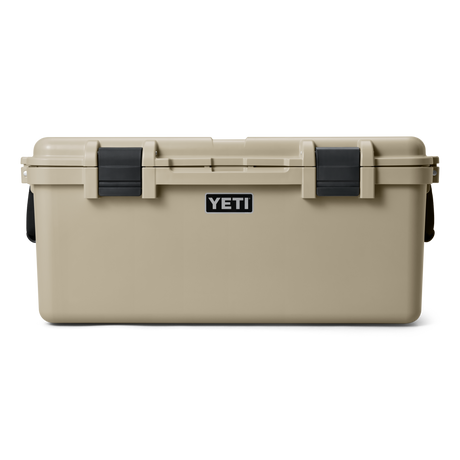
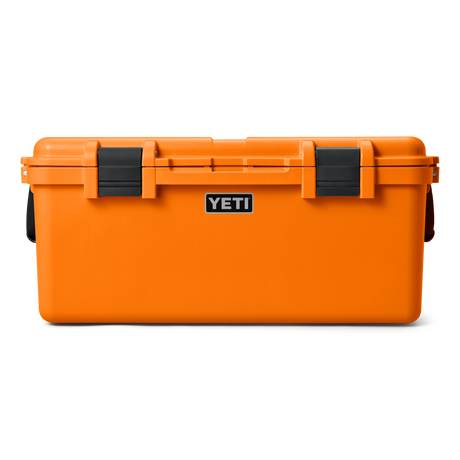

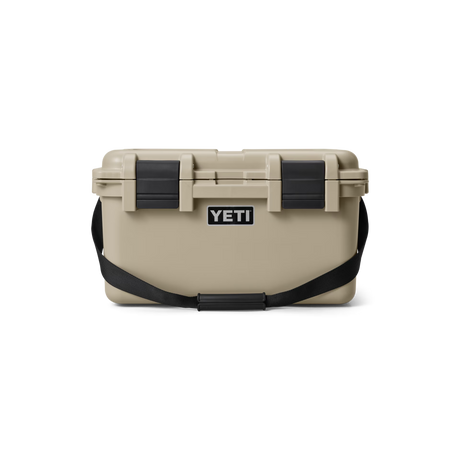
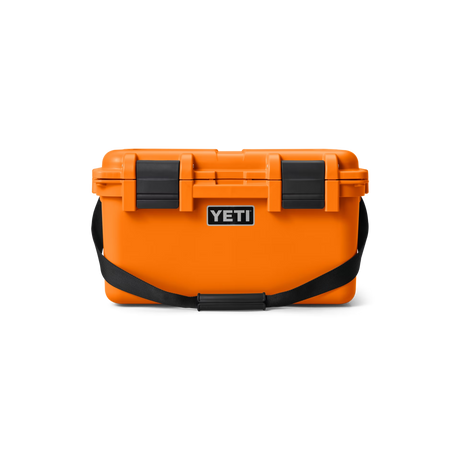
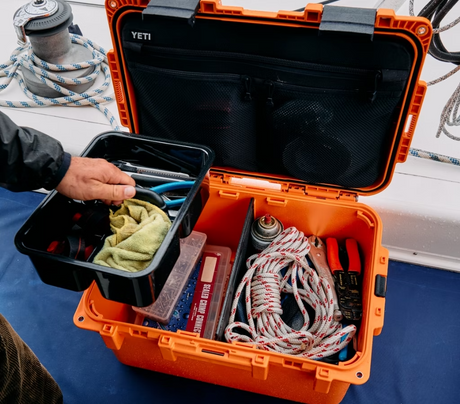
YETI
LoadOut® GoBox 60 Gear Case (large)
Ultimate storage solution for car care hardware
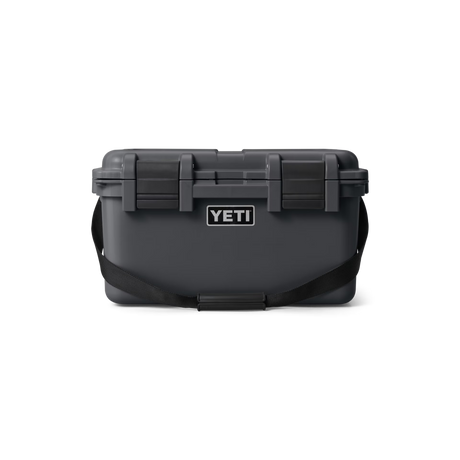
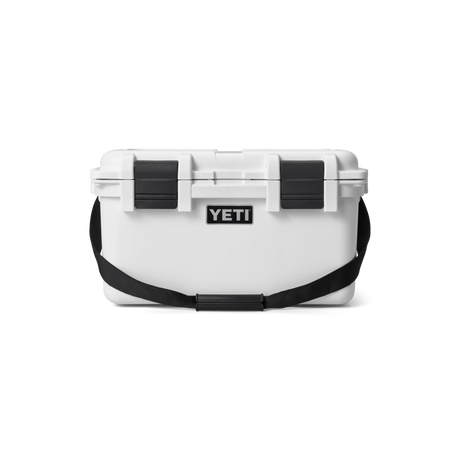
YETI
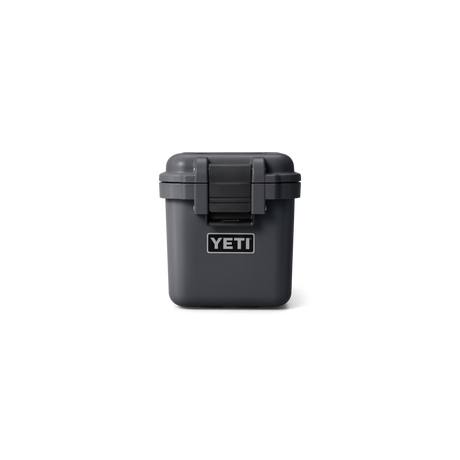
LoadOut® GoBox 30 2.0 Gear Case with Carry Strap
Robust and versatile equipment box for optimal organization
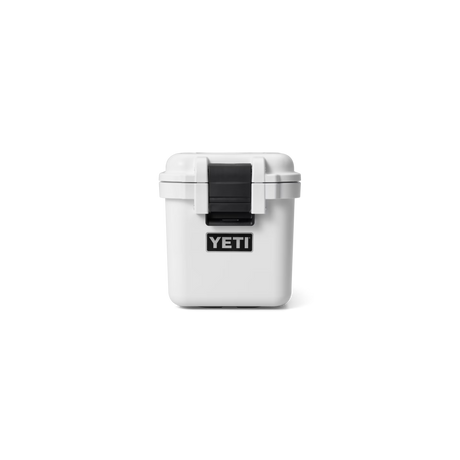
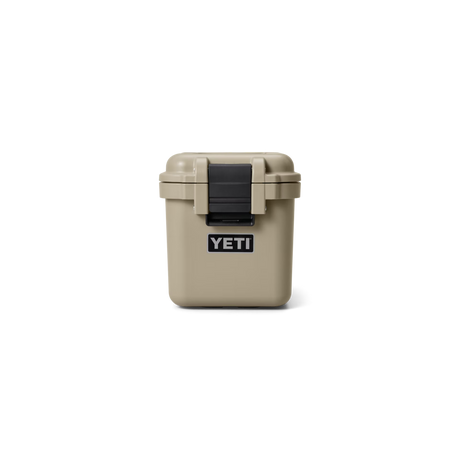
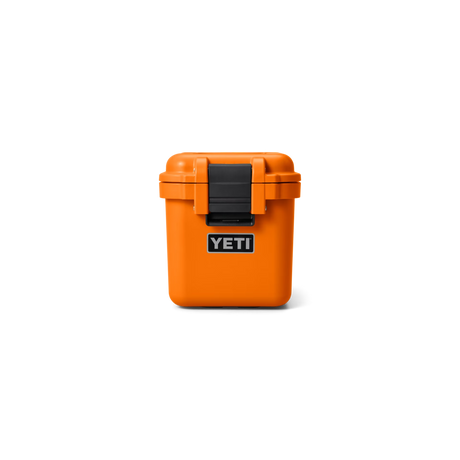

YETI
YETI LoadOut® GoBox 15 Gear Case (small)
Robust, versatile storage solution for adventure
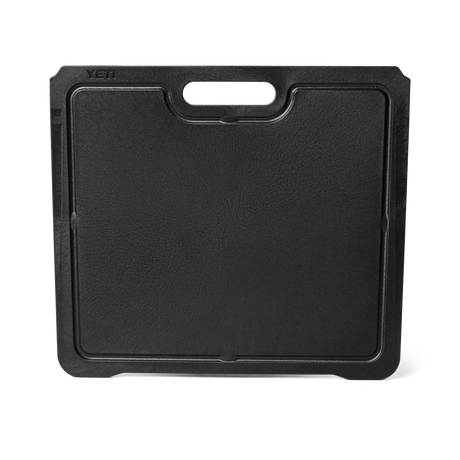
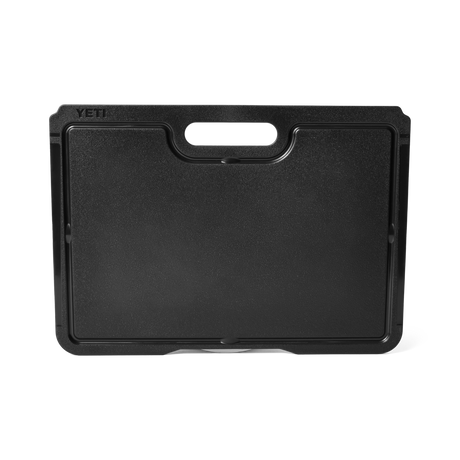
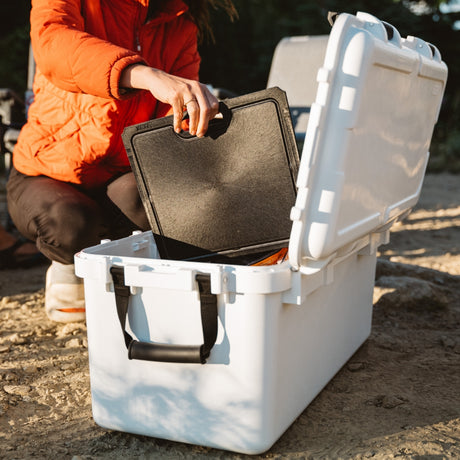
YETI
YETI LoadOut® GoBox Divider — partition for the "LoadOut® GoBox"
Robust Divider for YETI LoadOut® GoBox
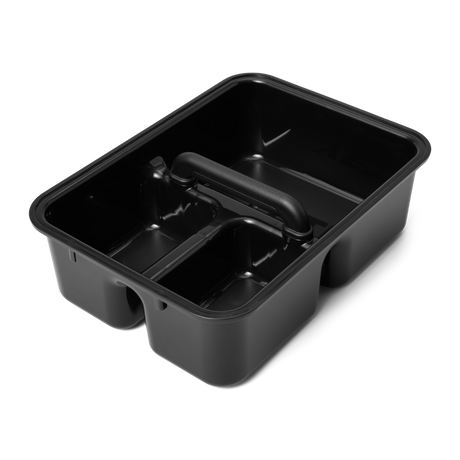

YETI
GoBox Caddy / insert for "LoadOut® GoBox"
Perfect organization for your car care equipment


YETI
LoadOut® GoBox 1 Gear Case (Mini)
Waterproof mini box for keys, phone and small parts
Koch-Chemie
Bottle & Brush Holder — mount for 5x bottles & brushes
Koch-Chemie
Trigger Holder rack for 5x spray bottles
Koch-Chemie
Glove Dispenser Holder for Disposable Gloves
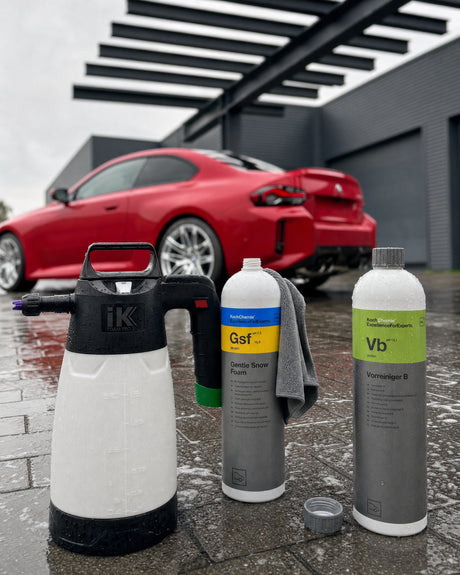
What actually lifts the dirt is the water volume per minute.
Koch-Chemie
Polisher Holder for polishing machines up to 180mm
Koch-Chemie
Pressure Sprayer Holder Wall Bracket for Two Sprayers
What workshop equipment do you need for car detailing? Four blocks: water and pressure for the pre-wash, lifting gear for anything under the car, kit for tyre service and the infrastructure around it all. This category brings the equipment together and sorts it by the work you're planning to do on the car.
Workshop equipment for car detailing is the sum of the fixed and mobile machines you use to wash a car, lift it and work on the wheels. That includes pressure washers for the pre-wash, trolley jacks and scissor lifts for access from below, machines for changing tyres and the supply of power, water and drainage. Which equipment you need depends on the work you're planning.
Detailing1's tip from the shop: We often get enquiries about pressure washers that keep cutting out or losing pressure in use. The cause is rarely the machine and almost always the water supply. A pump rated for 900 litres per hour only gets part of that from a long half-inch garden hose and starts sucking air. Measure beforehand with a bucket and a stopwatch how much water your tap delivers in a minute, and multiply it up to an hour. If it's below what the machine needs, a short three-quarter-inch hose or a water tank in front of it will help you more than any complaint.
Water and pressure, lifting gear and tyre service each do different jobs. Which equipment and infrastructure you need follows from the work you're planning and the requirements of the machines you choose.
If you're planning to clean with water, check the machine, hose and drainage for your actual workspace. Whether you need this kit at all depends on the work you intend to do on the car.
The second block is about lifting the car. Which lifting device is right depends on the planned work, the vehicle lifting points and the specs of the machine you pick.
The third block is about the wheel itself. Tyre changer, wheel balancer, torque wrench. Check which machine can handle the tyre work you have in mind and what supply, installation and know-how its manual assumes.
The fourth block is the invisible one: fusing, water pressure, floor load capacity, lighting, waste disposal. It's on nobody's wish list, yet it decides which machines are even an option. That's why we cover it first here, not last.
Whether an addition fits depends on the work you're planning and what you already have. For every choice, check the required function, supply and installation conditions separately.
What you hold in your hand and use up doesn't belong in this category: cloths, brushes, wash buckets, spray bottles. You'll find those under Accessories. This is about the machines that stay put when you knock off for the day.
Before you pick a machine, check the supply its job requires and the installation conditions against the manufacturer's specs.
The required voltage and fusing are in the manufacturer's specs for the machine you choose. A heating boiler or a more powerful pump doesn't by itself confirm any particular power connection. Compare what the machine needs with the supply you have before you choose.
With water-fed machines, water volume matters too. A pump that delivers 900 litres per hour wants to see 15 litres per minute at the inlet. If it gets less, it sucks air, and air compresses. How you'll notice: the pressure pulses, and the seals pay for it within a few months.
Alongside volume, quality counts. Water hardness is measured in degrees of German hardness, and from about 14 °dH every drop dries to a white limescale ring. A softener or reverse osmosis unit takes the minerals out first. In everyday terms: the car can drip dry without you having to chase it with a towel.
With lifting gear, the floor is part of the choice. Foundation requirements follow the manual of the lift you pick; if you're unsure how your floor is built, get its suitability checked by a professional. A surface that looks hard doesn't prove the floor is suitable.
Then there's drainage. If you wash outside on paving, cleaner and brake dust go into the ground, and that's far from allowed everywhere. A wash bay with a separator and a connection to the sewer is the clean solution and belongs in the plan, not at the end.
Light and compressed air round off the list. For paint inspection, choose the light pattern, colour temperature and position to suit the inspection job; general room lighting alone doesn't replace targeted inspection. For wheel work, get a compressor that holds 8 bar continuously rather than just reaching it briefly.
A pressure washer rinses off loosened dirt. Whether it suits your workspace depends on the cleaning you're planning, the water supply and the right power supply.
Two figures are on every data sheet: working pressure in bar and flow rate in litres per hour. The pressure breaks the bond between dirt and paint; the water volume carries the loosened dirt away. What that means for you: 120 bar with plenty of water cleans faster than 180 bar with little.
The difference between an occasional-use machine and a workhorse lies in the pump. A wobble-plate pump with an aluminium head on one side, a piston pump with a brass head and ceramic pistons on the other. The second type can run for hours on end instead of being forced to take a break after twenty minutes.
Hot water is the next step up. Water at 60 degrees dissolves grease and oil far faster than cold, because heat softens the greasy layer and the jet can then lift it off. You'll rarely need that for pure paint care, but for the engine bay, underbody and floors it noticeably cuts the time needed.
Accessories make or break everyday use. A foam lance with the right nozzle lays down snow foam that clings to the paint instead of running off straight away, giving it longer dwell time. A hose reel with a ten-metre radius saves you moving the machine at every wash.
A word on nozzles. A turbo nozzle concentrates the jet into a rotating point and chews through trodden-in floor dirt; it has no business on paint, seals or wrap. On the car, a 25-degree flat jet at about 30 centimetres stays the right choice.
Which class suits your water volume and connection, you'll see in the overview under High-pressure cleaners. The decision there almost always comes down to mobile and compact on one side, stationary and built to last on the other.
Lifting gear splits into two worlds: lifting one point for a wheel change, or bringing the whole car up to working height. The difference lies less in the price than in the space.
A trolley jack rolls under the lifting point, raises one corner and is put away afterwards. What matters are load capacity, minimum height and lift height. Compare the minimum height of the jack you choose with the car's lifting point.
Jacks are for lifting, not for working under. For the intended support, follow the manufacturer's specs for both car and lifting device. A jack is not a permanent support.
With a scissor lift, check whether the achievable working height and access to the car suit the work you're planning. The specs of the lift you choose are what count.
They come as mobile units you can roll away and as flush-mounted units set into the floor. Mobile means flexible and usually takes two people to move. Flush-mounted means tidy, but needs a recess in the concrete, which makes it a decision that stays.
For commercial use, there's also recurring inspection. Lifts are checked annually by a competent person, and jacks and axle stands belong in the same visual check. Factor this cost in from the start instead of getting a nasty surprise in year two.
You'll find the single-point option under Car jacks and the full-vehicle solution under Car lifts. Which lifting device fits depends on the planned work, the car and the requirements for lifting points and installation.
Choose your own tyre-fitting kit based on the wheel work you're planning and the requirements of the specific machine.
Tyre service takes more than one machine. A tyre changer to take tyres off and fit them, a wheel balancer to deal with imbalance, a compressor with capacity to spare and a torque wrench for the wheel bolts. Which machines you need depends on the planned work and the specs of each machine.
With alloy wheels, the mounting head is what counts. Plastic heads and roller bead breakers keep their distance from the rim flange, the edge the tyre is pulled over. What that means for you: without this protection, every change leaves a nick in the wheel paint that no polish will bring back.
Tyre pressure sensors don't make things easier. They sit at the valve and easily end up under the roller when you break the bead. If you change tyres regularly, you need a machine with an adjustable bead-breaking position and the patience to check where the valve is on every wheel.
Balancing is the step most people underestimate. A few grams of imbalance at the wheel's circumference create a noticeable shimmy in the steering wheel at 120 km/h. Stick-on weights go behind the spoke on a properly degreased surface; otherwise they'll be lying in the wheel arch after the first warm day.
Swapping complete wheels and fitting individual tyres are different jobs. Choose the kit for the work you actually want to do, and check the requirements of the specific machine.
The machines and sets for this are under Tyre changers. Factor in the space required, because a tyre changer needs clearance all round: you walk the wheel in a circle around the clamping table.
Your choice follows the jobs you do on the car and the kit you already have. Add a missing function once supply and installation conditions for the chosen machine are sorted.
Check the intended work area: access, lighting and the supply your machines need must all fit. Water and drainage belong in the plan if the planned work needs them.
For planned cleaning with water, check the water supply and the connection requirements of the machine you choose. A pressure washer handles the rinsing; whether you need one depends on your cleaning job.
If the car has to be lifted for a job, check the right lifting gear. Lifting points, load capacity and installation conditions follow the car and the manual of the machine you choose.
If tyres are to be fitted or balanced, the kit needed for that is chosen separately. Check the wheel-and-tyre combination, machine function, supply and installation against the manual of the machine you choose.
Buying second-hand works better here than with chemicals, because steel and hydraulics age slowly. Check piston rods for scoring, hoses for chafing and ask for the last inspection report. A machine with a full history is worth more than one with the lower price tag.
Everything that sits between these stages and stays in your hand is under Accessories. And if you're unsure at any point, drop us a quick message with your connection specs. That one message saves money more often than any comparison of data sheets.
Too much choice in Workshop equipment? Get help picking:
Daniel von Detailing1 |

Daniel von Detailing1 |

Daniel von Detailing1 |

Daniel von Detailing1 |

Daniel von Detailing1 |

Daniel von Detailing1 |

Jasper von Detailing1 |

Daniel von Detailing1 |

Daniel von Detailing1 |

Daniel von Detailing1 |

Jasper von Detailing1 |

Jasper von Detailing1 |